An Abu Nuhas wrecks safari provides scuba divers with an extraordinary journey through world-famous maritime history. In fact, the treacherous reef of Shaab Abu Nuhas sits near the busy shipping lanes of the northern Red Sea. Therefore, this submerged hazard has claimed numerous vessels since the nineteenth century. Today, divers encounter intact hulls, historic cargo, and thriving coral gardens on every expedition. Moreover, booking an Abu Nuhas wrecks safari gives you direct access to four legendary shipwrecks in a compact geographical area.
Choosing an this experience allows you to experience some of Egypt’s most famous underwater structures. In addition, the reef lies within easy reach of Hurghada, making day trips and mini-safaris very convenient. You can also explore our broader overview of Hurghada Wreck Diving: Thrilling Red Sea Shipwrecks to understand the regional significance. Consequently, divers can log multiple deep and shallow wreck dives in a single holiday.
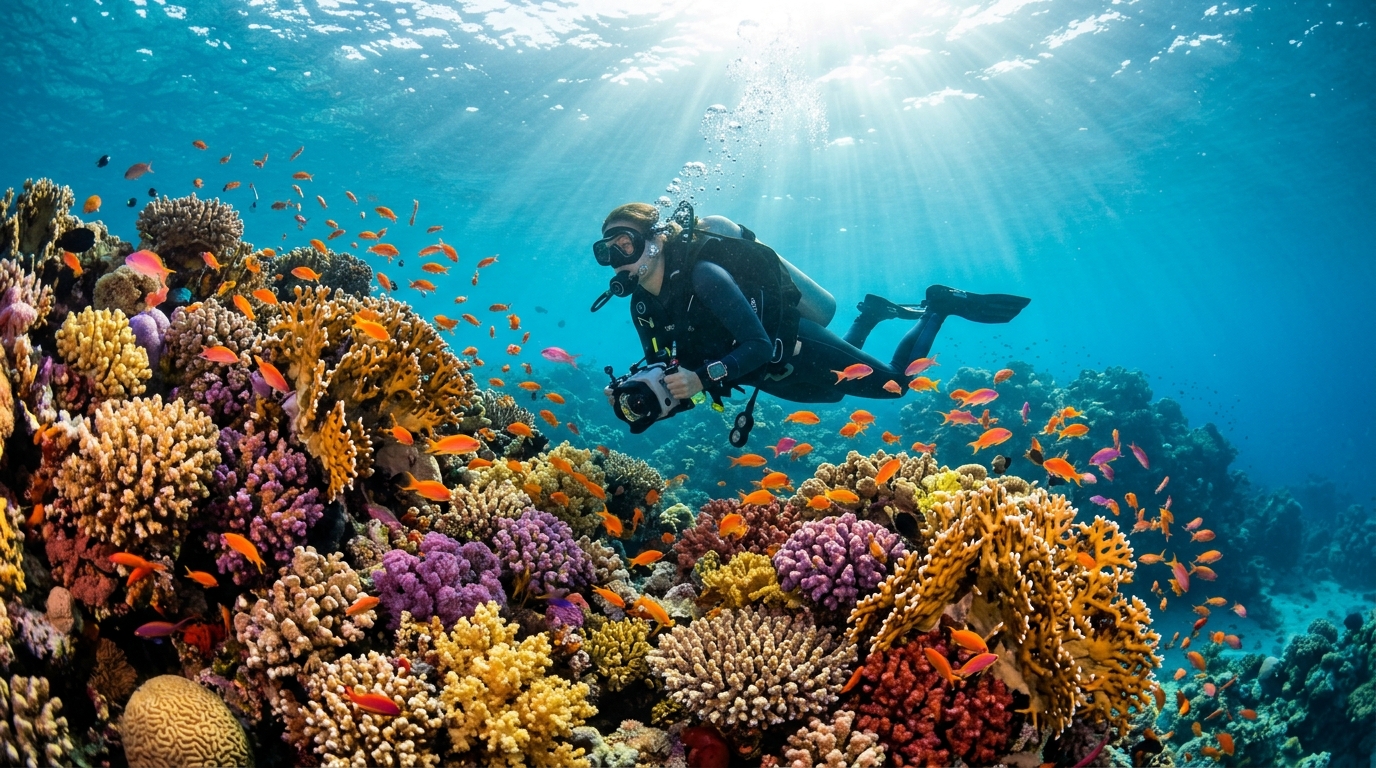
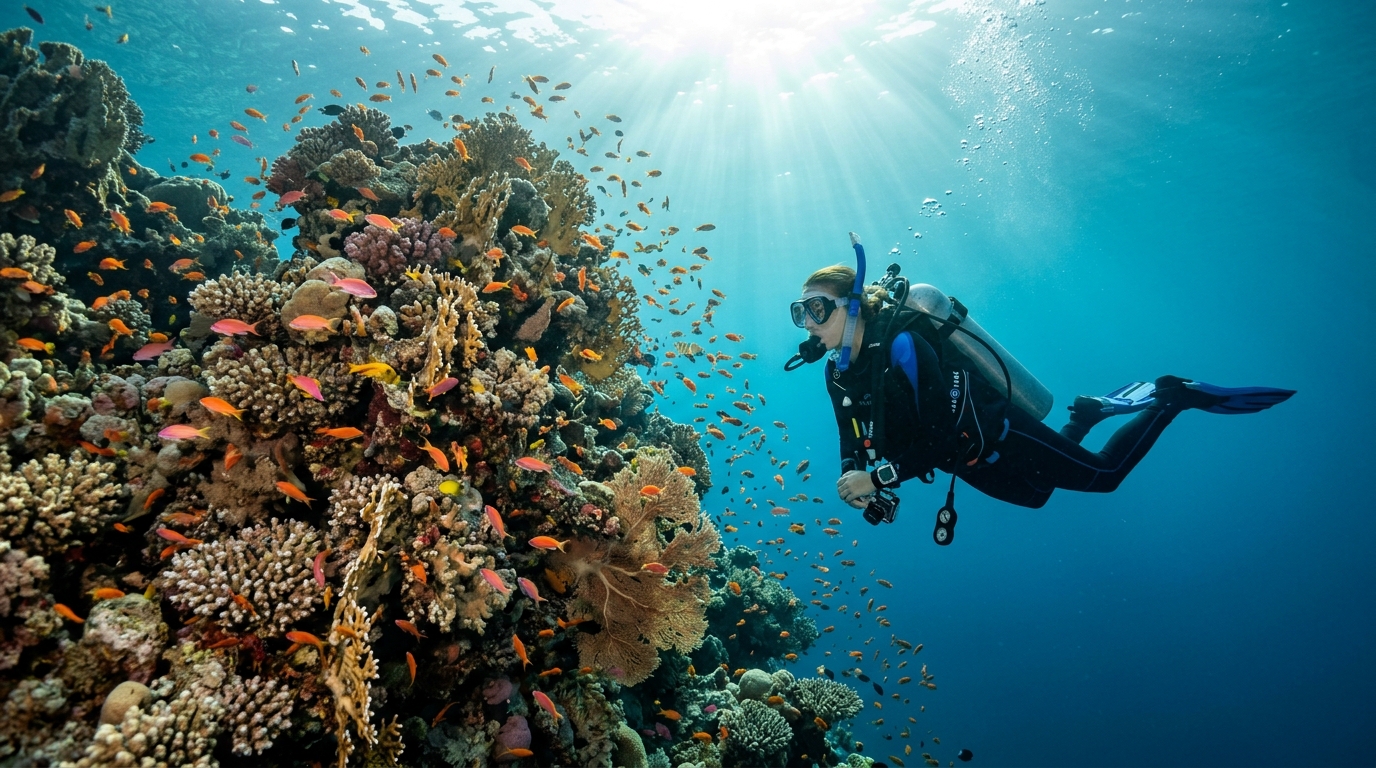
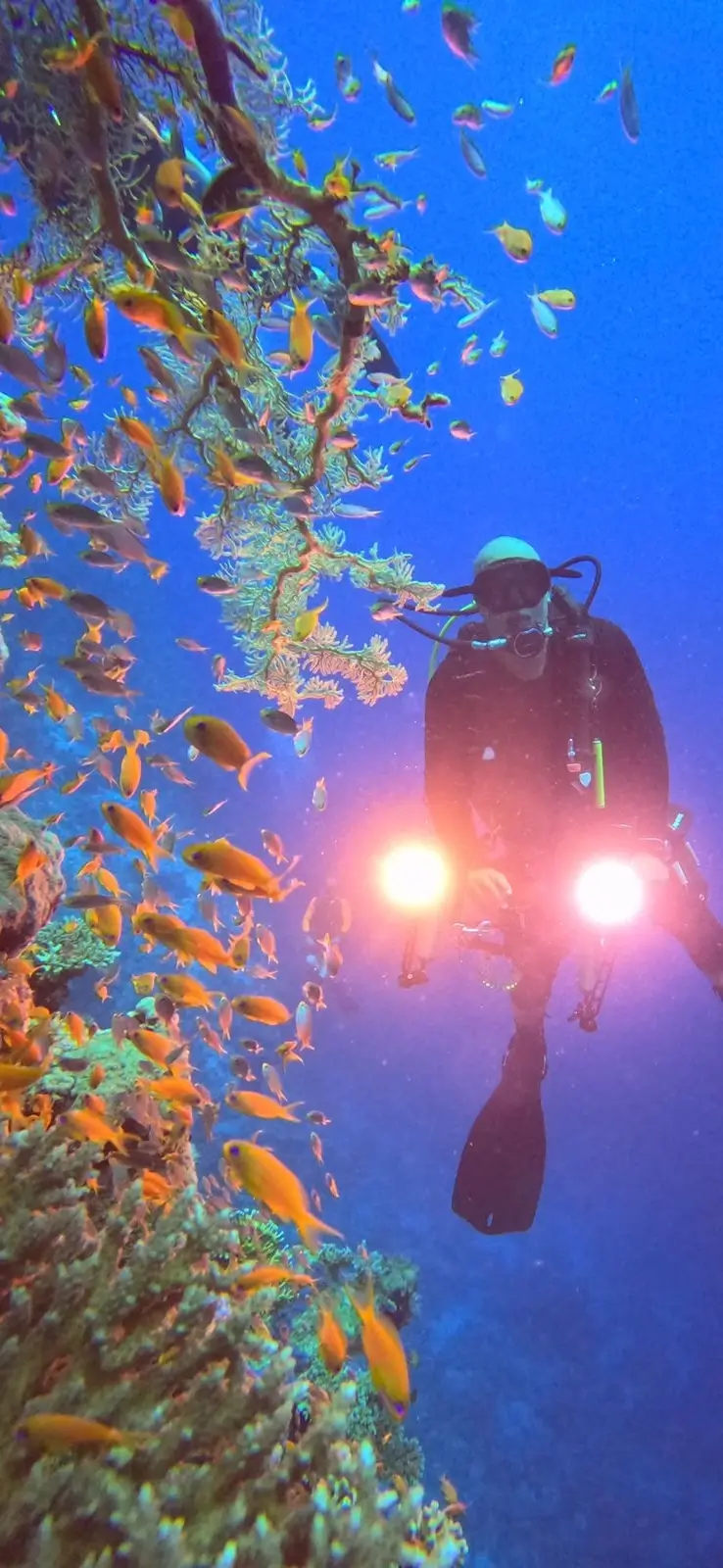
Furthermore, marine life on Shaab Abu Nuhas is remarkably diverse and resilient. For example, massive hard coral formations encrust the old iron framework of every ship. As a result, schools of glassfish, lionfish, and blue-spotted rays populate the quiet engine rooms. In contrast to barren wreckage elsewhere, these vessels function as bustling artificial reefs. Therefore, underwater photographers find exceptional lighting and dramatic angles throughout each dive.
Navigating the northern Strait of Gubal has challenged captains for generations. In fact, Shaab Abu Nuhas translates locally as the ‘reef of brass,’ referencing brass fittings recovered from early casualties. Many vessels clipped the shallow reef edge while transiting toward the Suez Canal. Consequently, ships sank along the northern slope between 12 and 32 metres of water. Preparing for an this experience helps you appreciate the dramatic historical context of these disasters.
Moreover, the northern exposure of the reef means ocean swells strike the wrecks continuously. As a result, shallower sections have broken up, creating accessible swim-throughs for certified divers. Meanwhile, deeper sections remain remarkably preserved in the clear seawater. You can consult historical maritime documentation on the SS Carnatic on Wikipedia to grasp how maritime trade shaped these shipping routes. Therefore, each descent feels like entering a preserved museum frozen beneath the surface.
Every this experience features a unique rotation of legendary vessels resting along the reef. Additionally, the proximity of the wrecks lets dive boats choose optimal sites based on prevailing sea conditions. Divers can compare dive profiles and vessel structures during their journey.
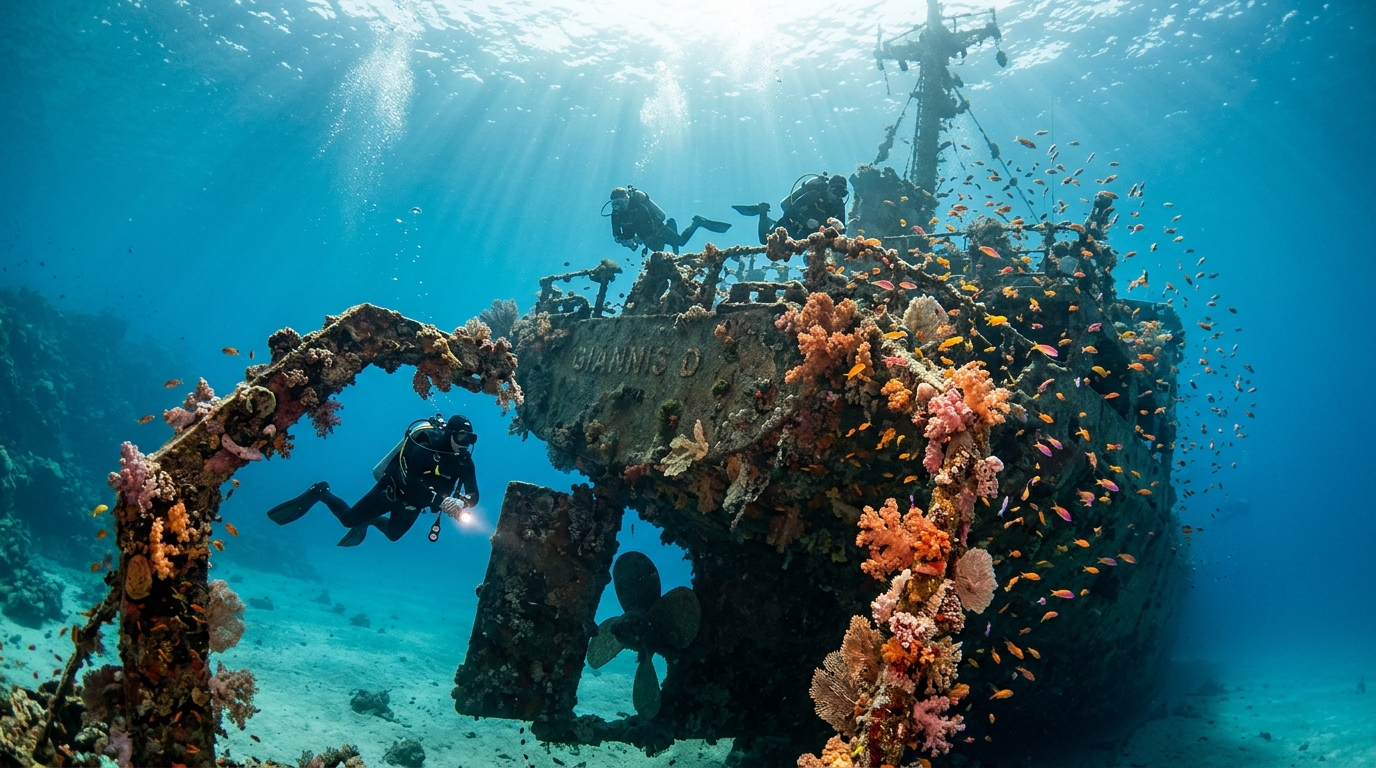
The Giannis D remains one of the most celebrated wrecks in the northern Red Sea. In 1983, this 87-metre Greek freighter struck the reef at full speed. Consequently, the ship split into two primary sections on the seabed. Divers explore the stern sitting at a dramatic 45-degree angle down to 24 metres. Furthermore, spacious corridors and engine rooms provide unforgettable light effects. In addition, joining an this experience gives divers ample time to navigate this photogenic superstructure safely.
In contrast to modern steel freighters, the SS Carnatic represents classic nineteenth-century maritime engineering. The vessel sank in September 1869 while carrying gold specie, wine, and British passengers. Therefore, divers view wooden deck beams supported by delicate iron framing. In fact, the hull lies at 27 metres and shelters countless moray eels and groupers. During your this experience, you will admire how soft corals adorn every historic rib of this graceful vessel.
Meanwhile, the Chrisoula K and Kimon M offer compelling exploration for deep-wreck enthusiasts. The Chrisoula K struck the reef in 1981 while transporting Italian ceramic floor tiles. As a result, divers still observe stacks of tiles neatly packed in the open cargo holds. On the other hand, the Kimon M sits deeper, reaching depths of 32 metres with its cargo of lentils. Both vessels offer breathtaking vertical profiles that enrich any this experience adventure.
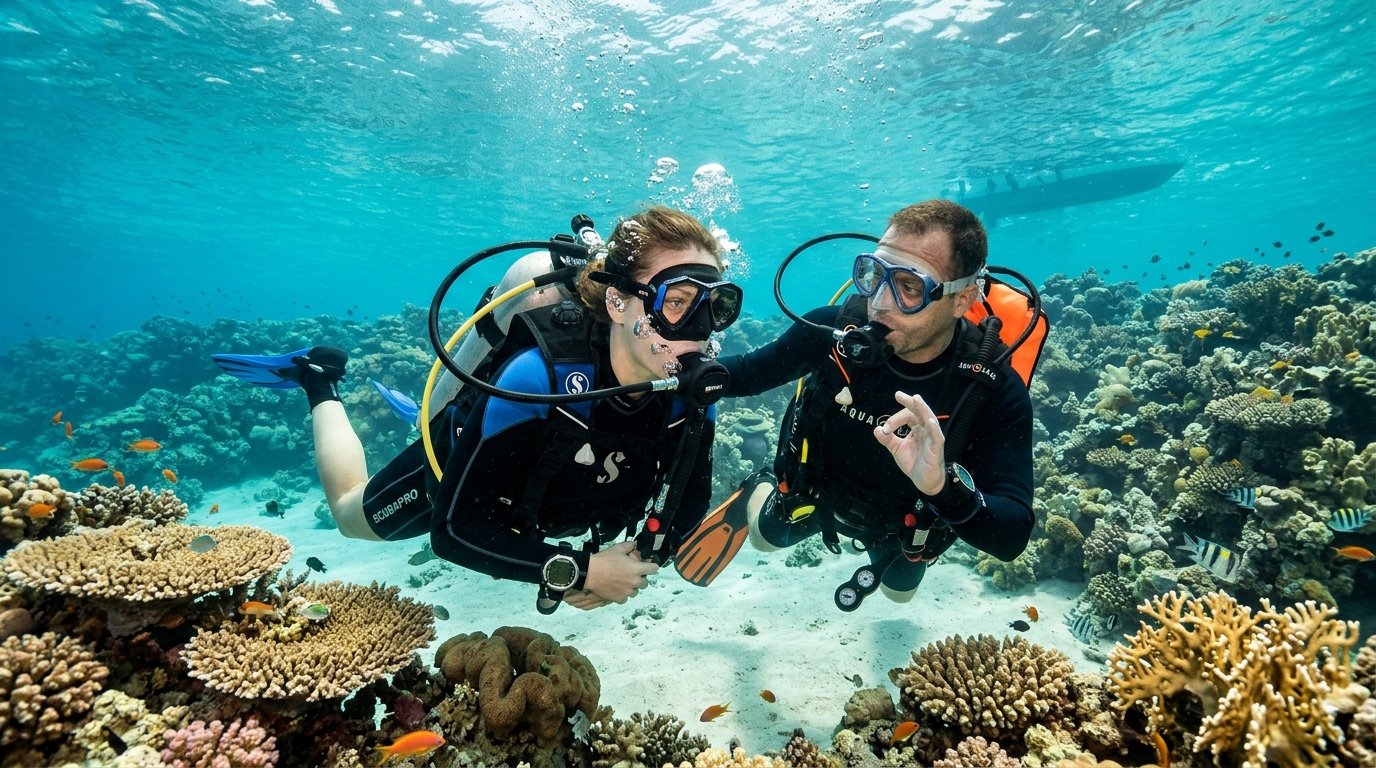
Diving these historic vessels demands sound buoyancy control and proper certification credentials. Therefore, divers should possess at least an Advanced Open Water certification before booking. You can advance your scuba training with Advanced Diving Courses Hurghada for Thrilling Dives to gain deep dive experience. In addition, holding a recognised PADI Wreck Diver certification prepares divers for complex overhead environments.
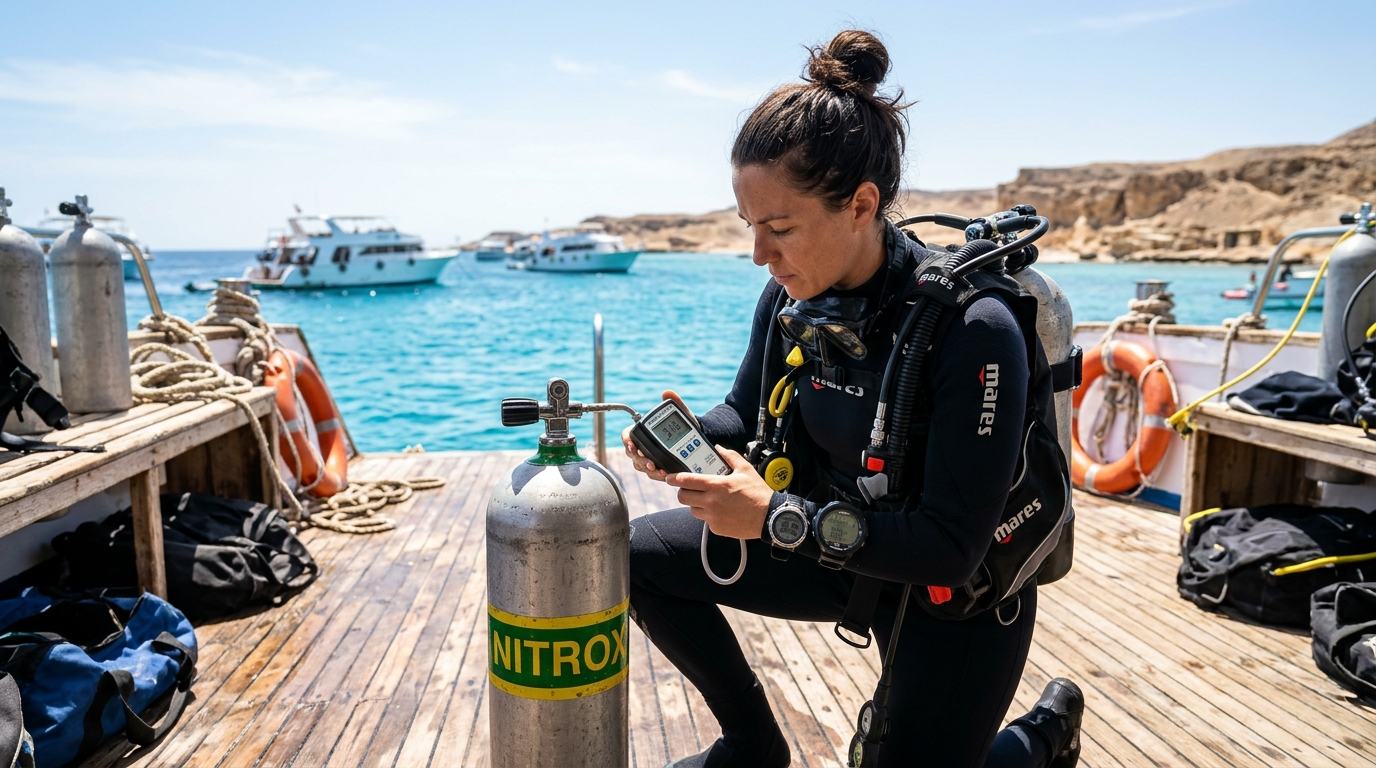
Furthermore, managing dive times at depths between 20 and 30 metres requires strategic planning. Consequently, diving with enriched air offers extended bottom times without incurring decompression penalties. You should read our guide on Nitrox Diving in Hurghada: Guide to Epic Bottom Time before setting sail. In fact, using Nitrox on an this experience ensures safer margins across consecutive diving days.
Weather plays a decisive role in executing an Abu Nuhas wrecks safari safely. Because the reef faces north, strong winds can generate noticeable surface chop and currents. Therefore, experienced boat skippers monitor wave forecasts before departing coastal marinas. For travellers weighing boat options, our resource on Hurghada Boat Diving: Unforgettable Safari or Day Trips provides clear guidance. Early morning departures often yield the calmest conditions for open-sea navigation.
Additionally, water temperatures vary throughout the diving season in Egypt. During winter months, sea temperatures average 21°C to 23°C, requiring a 5mm to 7mm wetsuit. In contrast, summer temperatures reach 28°C to 29°C, offering warm and pleasant dives. Visibility regularly exceeds 25 metres on the offshore reef. Consequently, your Abu Nuhas wrecks safari guarantees spectacular underwater clarity almost year-round.
Preparation guarantees both safety and comfort on open-water diving safaris. First, ensure your dive torch functions properly, as dark cargo holds absorb ambient light quickly. Moreover, carry a dependable surface marker buoy to signal skippers after drift ascents. In addition, divers should check their dive computers and compasses before entering the water. Adhering to these safety routines elevates every Abu Nuhas wrecks safari.
Finally, choose a reputable dive centre that values diver safety and environmental preservation. Golden Star Divers provides professional guiding, comfortable vessels, and strict safety standards across all Red Sea excursions. Furthermore, our seasoned dive guides brief every wreck profile thoroughly before splashdown. Consequently, you can relax and absorb the historic beauty of Egypt’s famous ship graveyard. Contact Golden Star Divers today to schedule your dream Abu Nuhas wrecks safari.