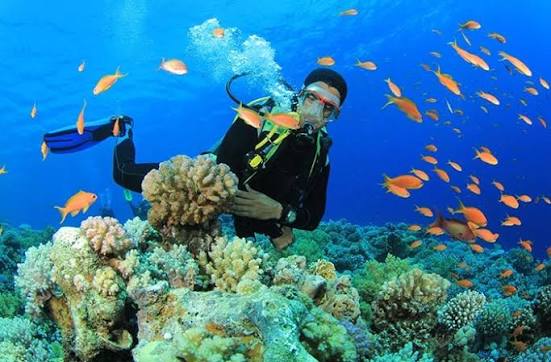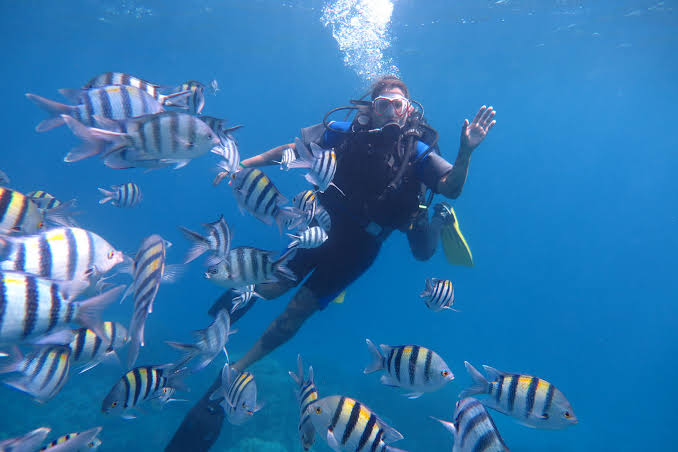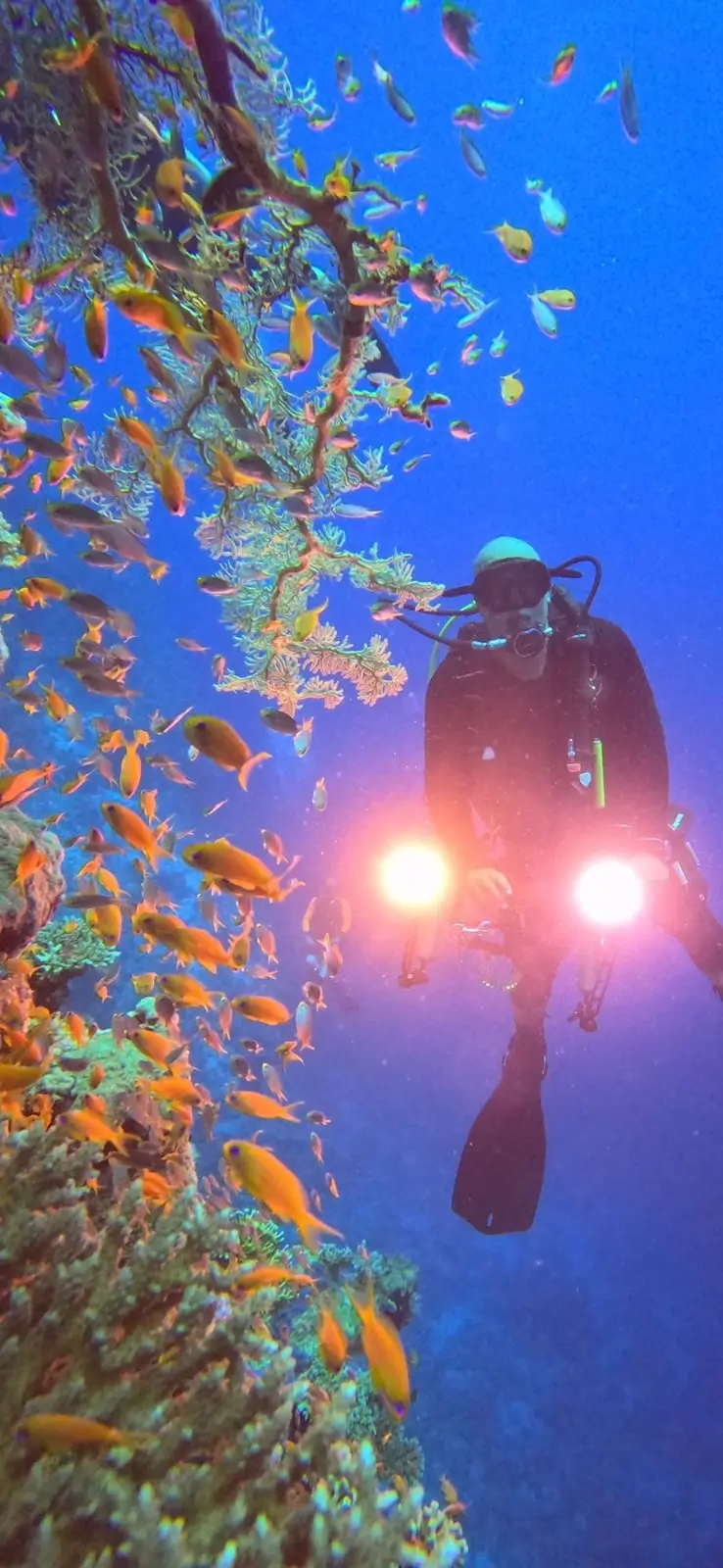
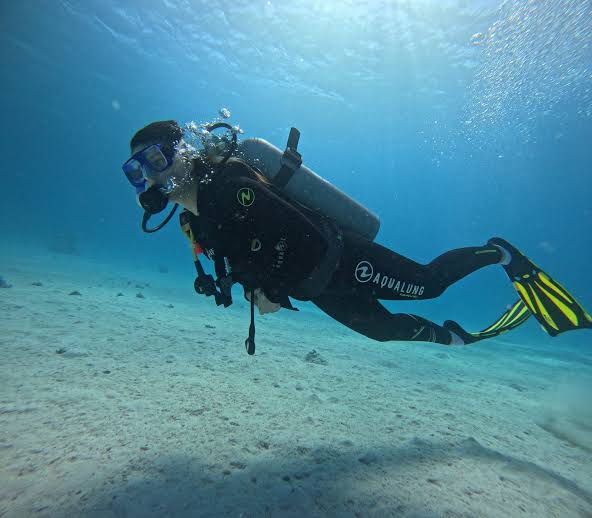
Choosing the right diving equipment in Hurghada can make your underwater experience more comfortable, enjoyable, and safe. Whether you are preparing for your first Red Sea dive or returning as an experienced diver, suitable equipment helps you move naturally and concentrate on the underwater environment.
Hurghada is one of Egypt’s most popular diving destinations. Its warm waters, colorful coral reefs, and wide variety of dive sites attract divers throughout the year. However, good diving depends on more than choosing an exciting location. Your equipment also needs to match your experience, the water conditions, and the type of diving you plan to do.
Fortunately, understanding the basic equipment does not have to be difficult. Once you know what each item does, choosing the right setup becomes much easier.
Every piece of diving equipment has an important purpose. Your mask helps you see clearly underwater, while your fins make movement more efficient. The regulator allows you to breathe from your tank, and your buoyancy equipment helps you control your position in the water.
Good equipment should feel comfortable rather than distracting you during a dive.
It should also:
Therefore, equipment selection should always be part of your dive preparation.
A diving mask is one of the first pieces of equipment you should consider. A good mask creates an air space in front of your eyes and nose, allowing you to see clearly underwater.
The most important factor is the fit.
A mask that fits correctly should create a comfortable seal around your face. It should not feel excessively tight, yet it should remain secure when you move your head.
Before using a mask, check:
A comfortable mask can make a significant difference during long reef dives.
Fins help you move through the water with less effort. However, different fin designs provide different levels of power and flexibility.
For recreational diving in Hurghada, choose fins that allow smooth and controlled movement. Very stiff fins can require more leg strength, while softer fins may feel easier for beginners.
Consider:
Most importantly, avoid fins that cause pressure or discomfort around your feet.
Although the Red Sea is known for warm water, water temperature changes throughout the year. Therefore, your wetsuit should match the season and your personal comfort level.
A wetsuit provides thermal protection while also helping protect your body from accidental contact with the environment.
When choosing one, consider:
A wetsuit should fit closely without restricting normal breathing or movement.
The regulator is one of the most important parts of your diving system. It reduces the high pressure from your scuba tank and delivers breathable air when you inhale.
Because the regulator plays such an important role, divers should pay attention to maintenance and professional servicing.
Before a dive, check that:
If you rent equipment, ask the dive center about its inspection and maintenance procedures.
Good buoyancy control allows you to remain comfortable and stable underwater. A buoyancy compensator device, commonly called a BCD, helps you adjust your position in the water.
Learning to use your BCD properly can improve your diving skills.
It can help you:
Furthermore, good buoyancy makes underwater photography easier because you can remain stable while taking pictures.
A dive computer provides important information during your dive. Depending on the model, it can display depth, dive time, ascent information, and other useful data.
For recreational divers, a simple and easy-to-read computer can be a practical choice.
When selecting one, consider:
You should also learn how to use your computer before entering the water.
In addition to the main equipment, several accessories can improve your diving experience.
Useful items may include:
However, you do not need every accessory immediately. Start with the equipment that supports your safety, comfort, and diving needs.
Many travelers prefer renting equipment instead of carrying everything from home. This can be especially convenient when flying to Egypt.
When renting diving equipment in Hurghada, inspect each item before entering the water.
Check:
Also, tell the dive center if anything feels uncomfortable. Professional staff can often provide a different size or alternative equipment.
Regular divers may eventually decide to purchase their own equipment. Owning personal gear provides consistency because you become familiar with how everything fits and works.
Many divers start with personal items such as:
Later, they may consider purchasing additional equipment based on their diving frequency and experience.
This approach can be more practical than buying everything at once.
The Red Sea offers excellent visibility and diverse marine environments. However, different diving locations can have different conditions.
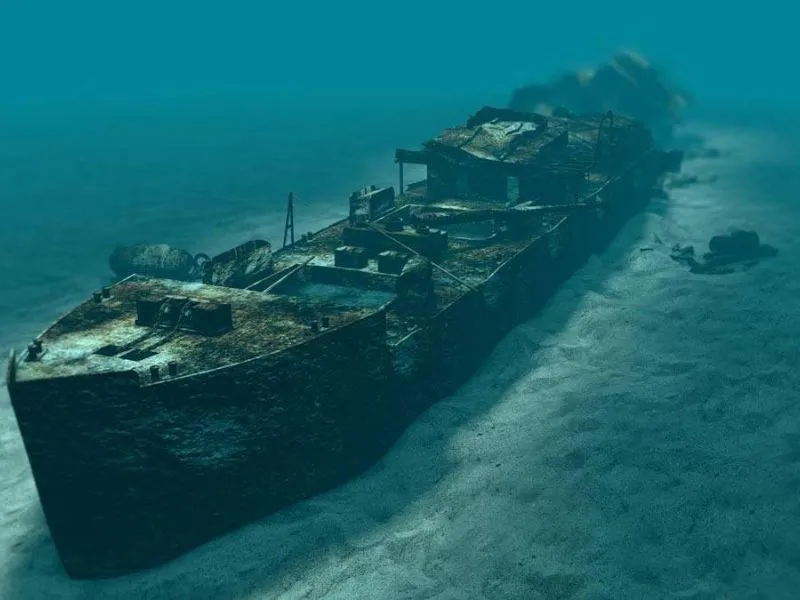
A typical reef dive may require a different setup from a deeper offshore dive or wreck exploration.
For this reason, consider:
Your dive guide can also recommend suitable equipment for the planned location.
Proper maintenance helps extend the life of your equipment. After every dive, rinse your gear with fresh water and allow it to dry properly.
Pay particular attention to:
Avoid storing wet equipment for long periods. In addition, follow manufacturer recommendations for servicing technical equipment.
New divers sometimes focus too much on appearance or price. Instead, comfort, fit, reliability, and suitability should come first.
Avoid:
A simple, well-maintained setup is often better than a large collection of equipment you do not need.
Before leaving the shore or boarding the dive boat, take time to check your equipment. A few minutes of preparation can prevent unnecessary problems underwater.
Use a simple checklist:
Then listen carefully to the dive briefing.
Good equipment also supports responsible diving. When your mask fits well, your fins work efficiently, and your buoyancy equipment is properly adjusted, you can control your movements more effectively.
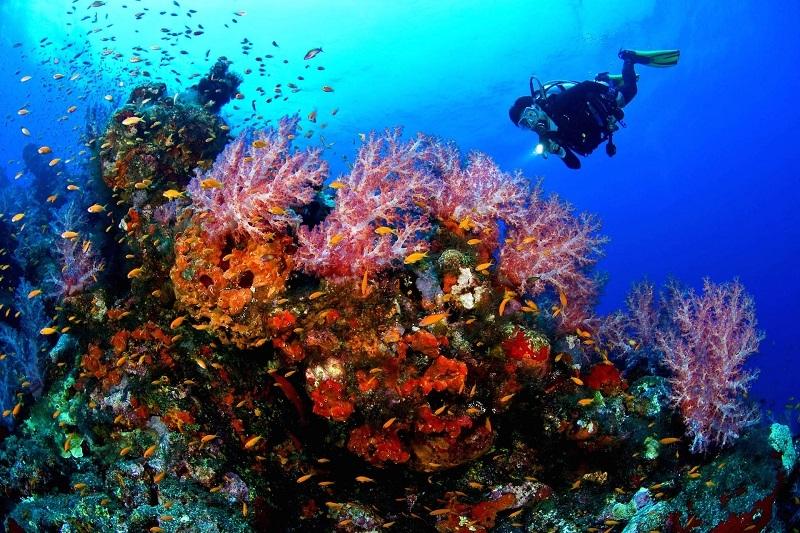
That matters because coral reefs are delicate ecosystems.
During your dive:
In this way, better diving skills and responsible equipment use can help protect the Red Sea environment.
Choosing the right diving equipment in Hurghada does not mean buying the most expensive gear. Instead, focus on comfort, proper fit, reliability, and suitability for your planned dives.
Whether you rent equipment from a professional dive center or bring your own gear, always inspect everything before entering the water. With the right preparation, you can focus less on your equipment and more on what really matters: enjoying the beautiful reefs, marine life, and underwater experiences of the Red Sea.