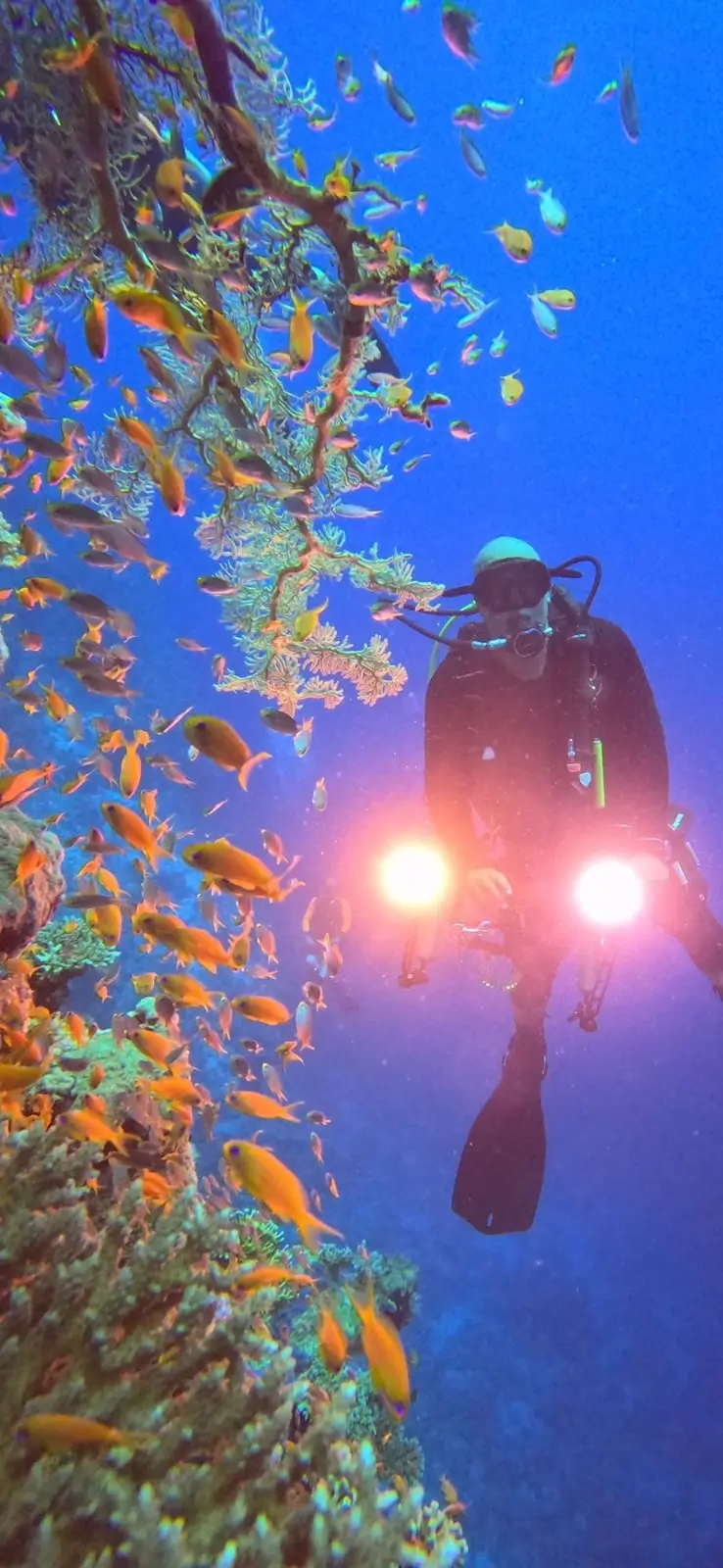
Mastering buoyancy control diving is one of the most important skills every scuba diver can develop. Whether you are diving in the beautiful waters of Hurghada or exploring remote reefs across the Red Sea, good buoyancy allows you to move effortlessly underwater while protecting the marine environment.
Moreover, proper buoyancy improves comfort, increases safety, and reduces air consumption. As a result, divers can enjoy longer and more relaxing dives.
Buoyancy control refers to a diver’s ability to maintain a desired position in the water column. Instead of constantly rising or sinking, a diver remains stable and balanced underwater.
Good buoyancy helps divers:
Therefore, buoyancy is considered a fundamental scuba diving skill.
Many divers focus on depth and navigation. However, buoyancy affects nearly every aspect of a dive. Without proper control, divers may accidentally damage marine habitats or use more air than necessary.
Benefits of strong buoyancy skills include:
Because of these advantages, instructors emphasize buoyancy training throughout a diver’s education.
One of the most effective ways to improve buoyancy control diving is to focus on breathing.
When you inhale:
When you exhale:
Therefore, slow and controlled breathing helps maintain stability underwater. In addition, relaxed breathing reduces stress and improves air efficiency.
Many buoyancy problems begin before entering the water. If a diver carries too much weight, maintaining neutral buoyancy becomes difficult.
To improve weighting:
As a result, divers often find that reducing excess weight significantly improves control.
Your Buoyancy Control Device (BCD) plays a major role in underwater balance. However, many divers add or release too much air at once.
For better control:
Consequently, buoyancy becomes smoother and easier to manage throughout the dive.
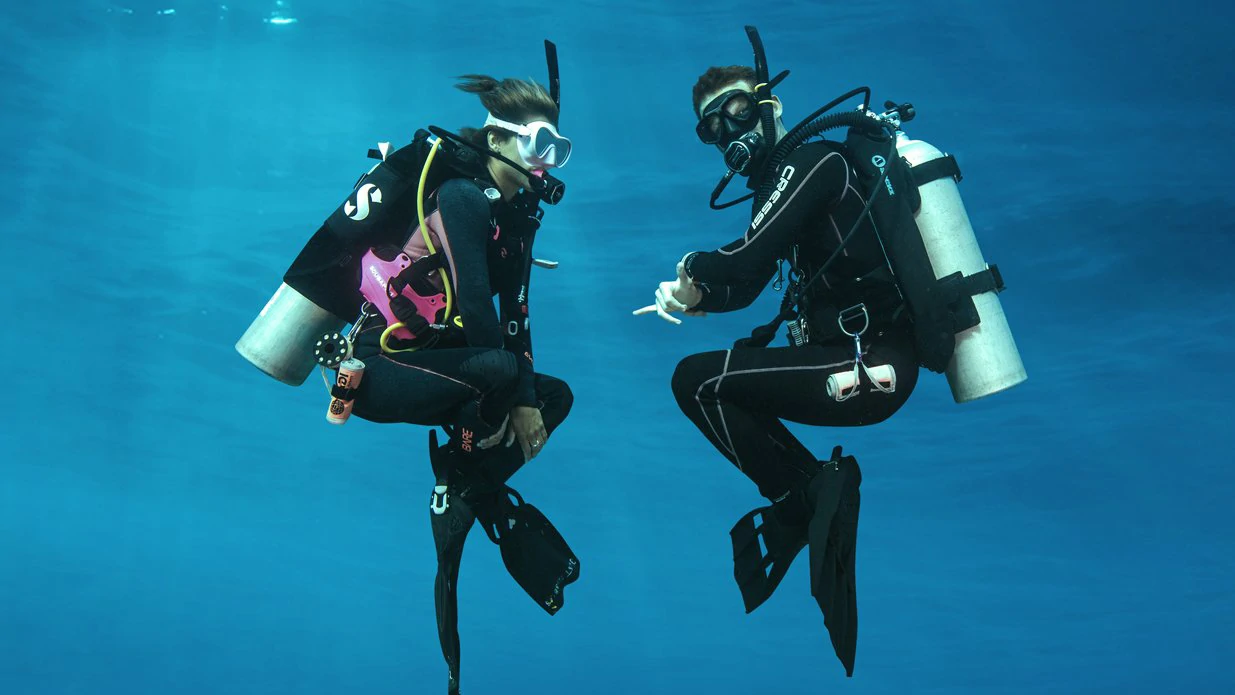
Body position directly affects buoyancy control diving performance. Divers should aim for a horizontal swimming position whenever possible.
A good trim position:
Furthermore, proper positioning allows divers to move more naturally through the water.
The reefs near Hurghada provide excellent opportunities to practice buoyancy skills. However, divers should always maintain a safe distance from marine habitats.
During practice sessions:
As skills improve, divers gain confidence and precision underwater.
Good buoyancy benefits not only divers but also the underwater environment. Coral reefs are delicate ecosystems that can suffer damage from accidental contact.
Responsible buoyancy helps:
Therefore, every diver plays a role in preserving the beauty of the Red Sea.
Even experienced divers occasionally make buoyancy errors. Fortunately, most problems can be corrected through practice and awareness.
Common mistakes include:
By recognizing these issues, divers can improve more quickly.
Strong buoyancy control diving skills transform the entire diving experience. Divers move more gracefully, use less air, and enjoy closer observations of marine life. Moreover, they contribute to the protection of fragile reef ecosystems.
Whether you are a newly certified diver or an experienced underwater explorer, improving buoyancy should remain a continuous goal.
The warm waters and vibrant reefs of the Red Sea offer the perfect environment to practice and refine your diving skills. By improving buoyancy control diving, you can enjoy safer dives, better marine encounters, and a more comfortable underwater experience.
The more you practice, the more natural buoyancy control becomes—and the more rewarding every dive will be.