Hurghada wreck diving offers an unforgettable portal into maritime history beneath the crystal-clear Red Sea. In fact, divers from around the globe visit Egypt each year to explore submerged relics. These artificial reefs host vibrant corals and dense fish populations. Therefore, underwater explorers can combine thrilling history with rich marine biodiversity on every single dive.
However, descending onto sunken vessels requires proper knowledge and preparation. Consequently, divers must respect local regulations, depth limits, and environmental guidelines. In this guide, we review everything you need for safe underwater adventures. In addition, you will learn about the region’s most celebrated shipwrecks.
this experience provides distinct advantages compared to other dive locations worldwide. For example, the northern Red Sea boasts exceptional water clarity, with visibility often exceeding 30 metres. As a result, you can view entire hulls resting upon the sea floor from a distance. Moreover, pleasant water temperatures make prolonged dives comfortable throughout the year.
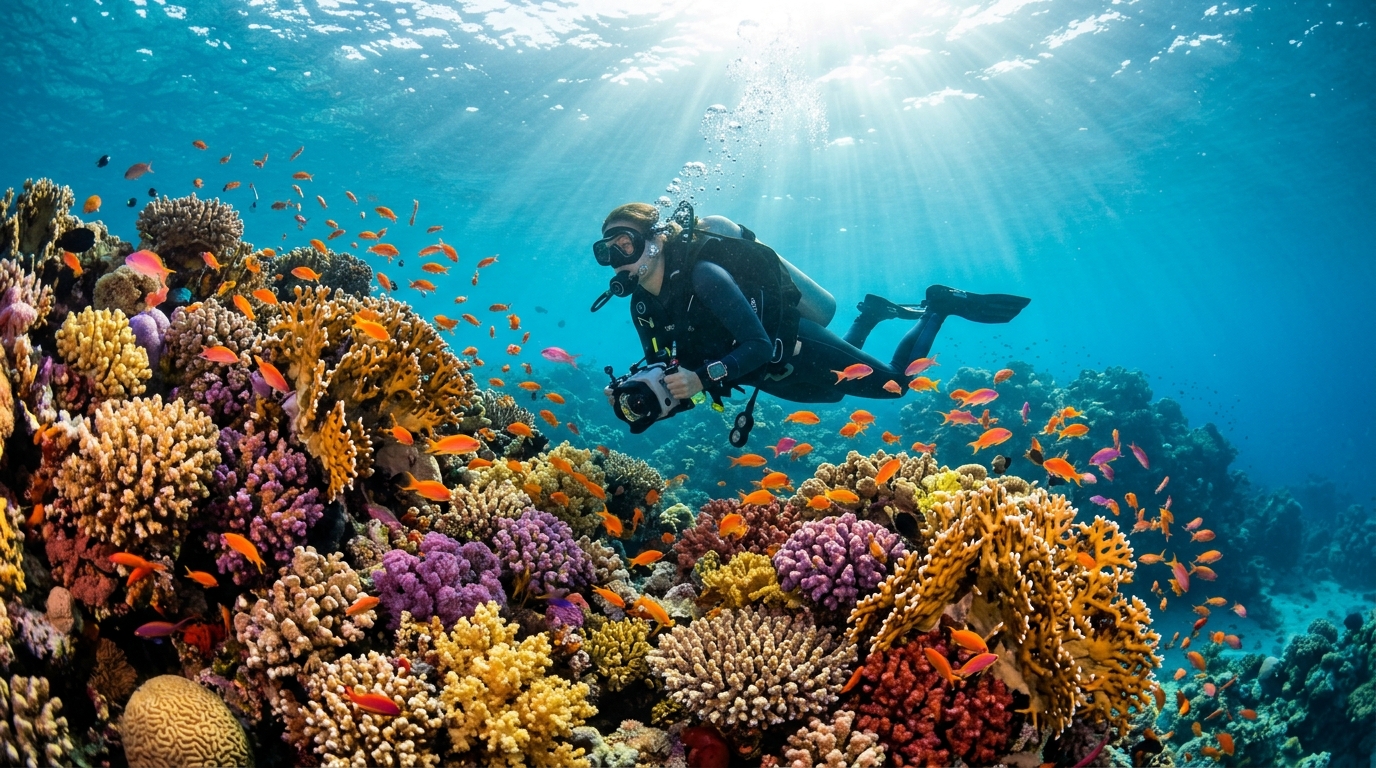
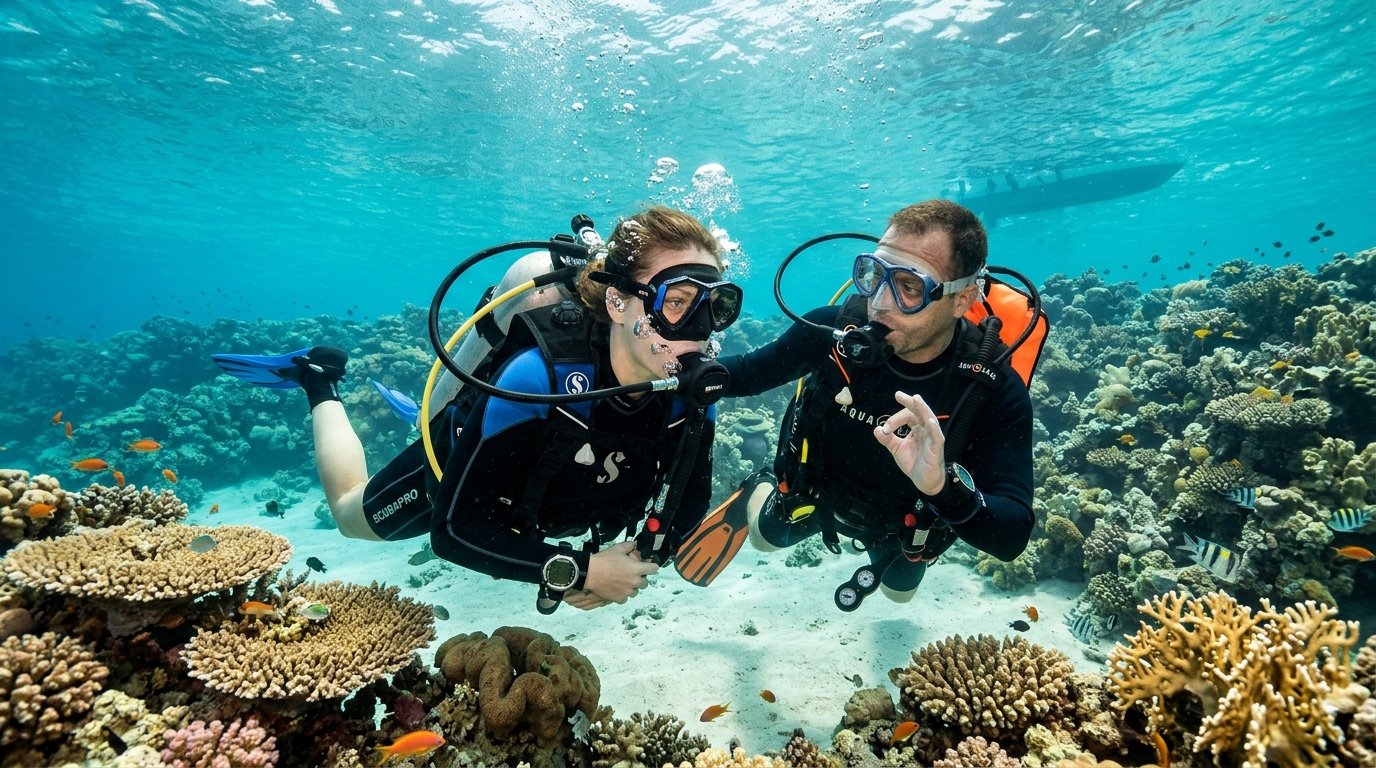
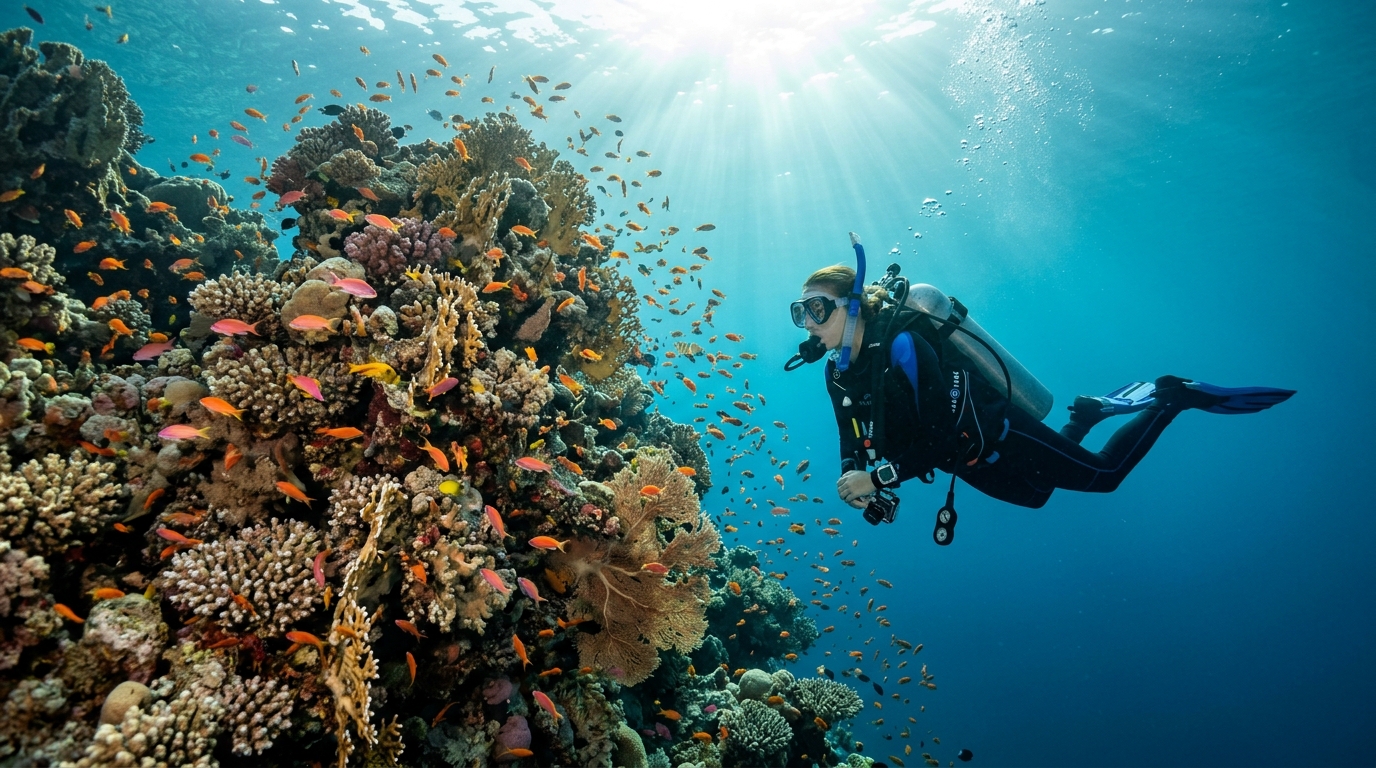
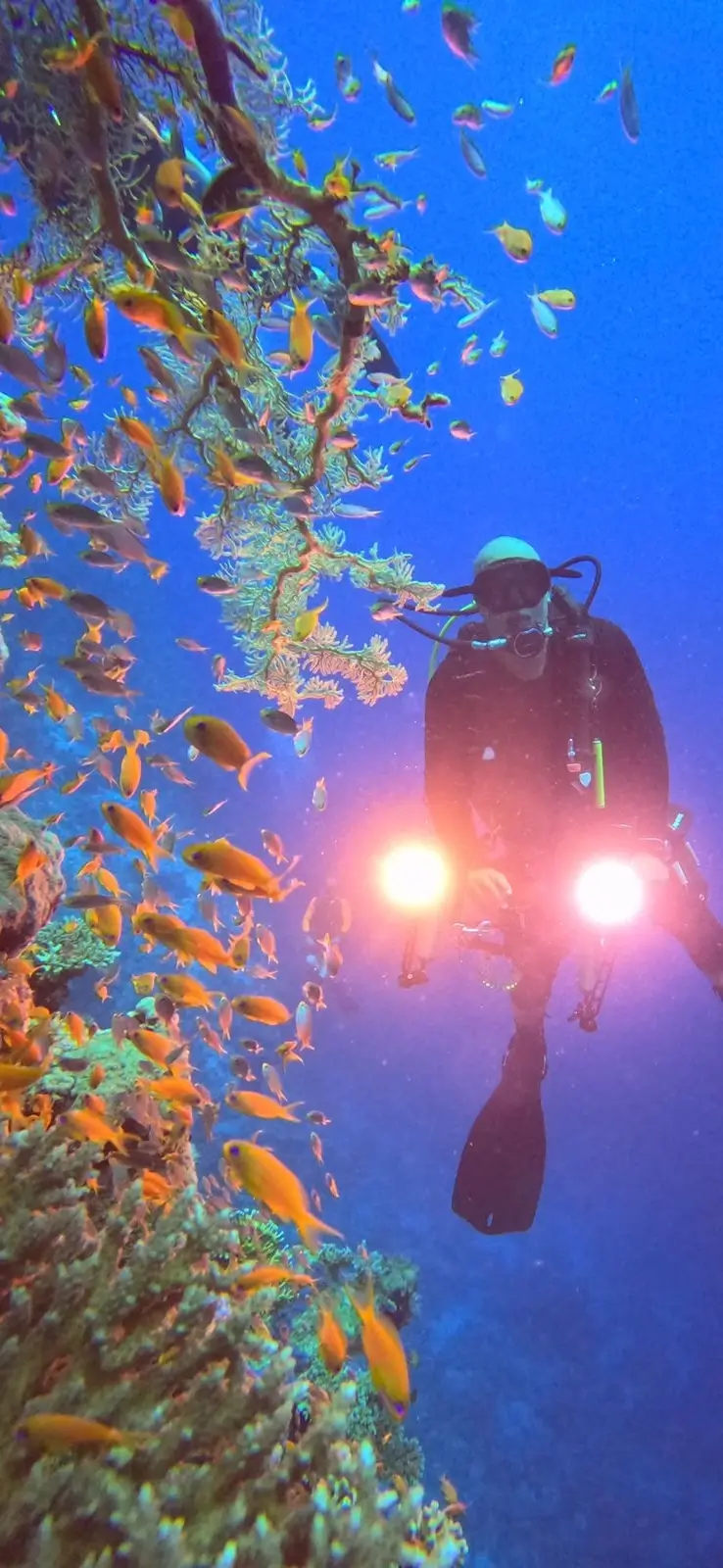
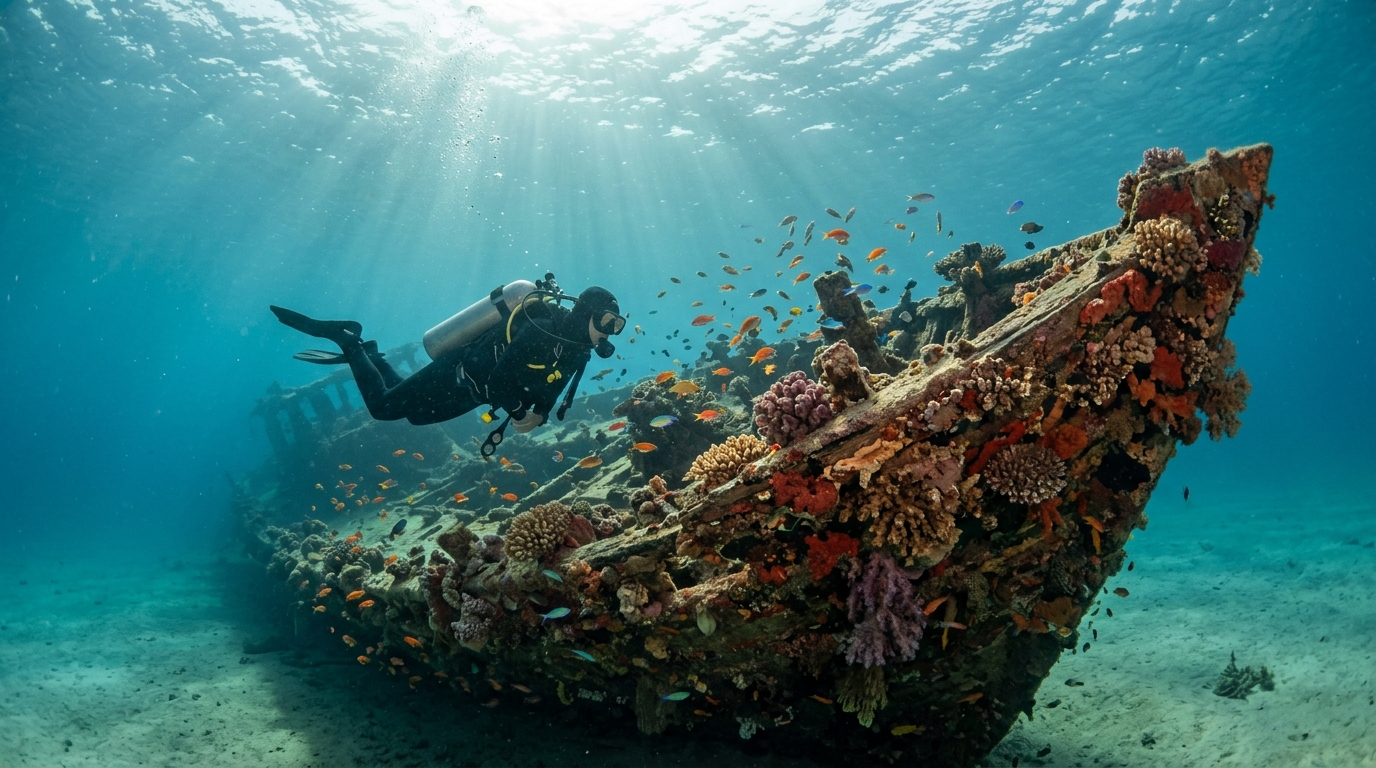
In contrast to bare underwater structures, Red Sea shipwrecks quickly transform into thriving habitats. Hard corals and soft alcyonarians encrust steel bulkheads, creating stunning visual displays. Furthermore, pelagic predators such as barracuda and trevally frequently patrol the upper masts. In fact, many enthusiasts compare Hurghada wrecks versus Maldives dive sites because Egyptian waters offer such remarkable structural diversity.
Additionally, Hurghada serves as a convenient departure hub for daily boats and liveaboard expeditions. Therefore, you can reach world-class maritime relics without enduring arduous travel. this experience caters to both curious recreational divers and experienced technical adventurers alike.
Hurghada wreck diving encompasses a varied selection of maritime disasters, military vessels, and civilian freighters. Each wreck possesses a distinct atmosphere and compelling history. Consequently, you will find exciting challenges whether exploring shallow coastal ruins or deep offshore vessels.
The El Mina remains one of the most accessible local wrecks near Hurghada harbour. In fact, Soviet forces constructed this warship before Egyptian forces operated it. Israeli aircraft struck and sank the vessel in 1970 during regional combat. As a result, the ship now rests upright on a sandy seabed at approximately 30 metres depth.
Moreover, large schools of glassfish gather inside bomb craters along the blast zones. Divers can easily examine the deck guns, anchor winch, and blasted hull sections. However, strong currents can occasionally sweep past the harbour area. Therefore, divers should maintain solid buoyancy control throughout their exploration.
Abu Nuhas reef has claimed dozens of ships throughout naval history. For example, the steam-sail vessel Carnatic struck the reef in 1869 while carrying gold and port wine. Today, the wooden decking has rotted away, revealing iron ribs that resemble a giant whale skeleton. Consequently, natural sunlight illuminates the interior holds, providing fantastic photo opportunities.
Furthermore, marine life on the Carnatic is truly exceptional. Lionfish hover motionless beneath the structural framing, while moray eels hide in pipework. In addition, the shallow depth of 18 to 27 metres allows generous bottom time. You can read broader histories of global wreck diving to understand how such heritage sites are protected worldwide.
Nearby on the same reef lies the modern freighter Giannis D. This cargo vessel ran aground in 1983 and split into distinct sections. Nevertheless, the stern section remains completely intact and leans at a steep 45-degree angle. This dramatic tilt can disorient divers who venture inside the engine room or crew cabins.
Therefore, you must monitor your depth gauge closely during interior exploration. Meanwhile, batfish school gracefully around the superstructure in blue water. For those seeking iconic historic expeditions, voyages to SS Thistlegorm wreck diving also depart conveniently from Hurghada operators.
Participating in Hurghada wreck diving demands strict adherence to international safety procedures. Sunlight fades rapidly when entering enclosed spaces, and sharp rusted metal presents hazard risks. Therefore, divers must treat every structural penetration with profound respect and careful discipline.
Never enter an overhead environment without appropriate training, equipment, and redundant lights. As a result of silt disturbance, visibility inside interior corridors can drop to zero instantly. Furthermore, always follow the rule of thirds regarding gas consumption: one third for descent, one third for exit, and one third in reserve. Professional bodies like PADI standards stipulate these exact safety margins for recreational wrecks.
In addition, marine conservation laws in the Egyptian Red Sea strictly prohibit touching or removing artifacts. Souvenir hunting degrades cultural heritage and carries severe legal penalties. Consequently, divers should adopt a “look, don’t touch” philosophy on every excursion. Hurghada wreck diving thrives only when we preserve these delicate historical treasures for future generations.
Proper training increases diver comfort and drastically reduces underwater emergency risks. In fact, completing foundational programmes opens doors to deeper, more complex maritime structures. Hurghada wreck diving becomes far more rewarding once you understand overhead safety protocols and silt management techniques.
Beginners should first earn an Advanced Open Water certification before approaching offshore sites. Through structured advanced diving courses Hurghada, divers master deep diving mechanics down to 30 metres. Additionally, specialty wreck courses teach line laying, reel management, and emergency light deployment.
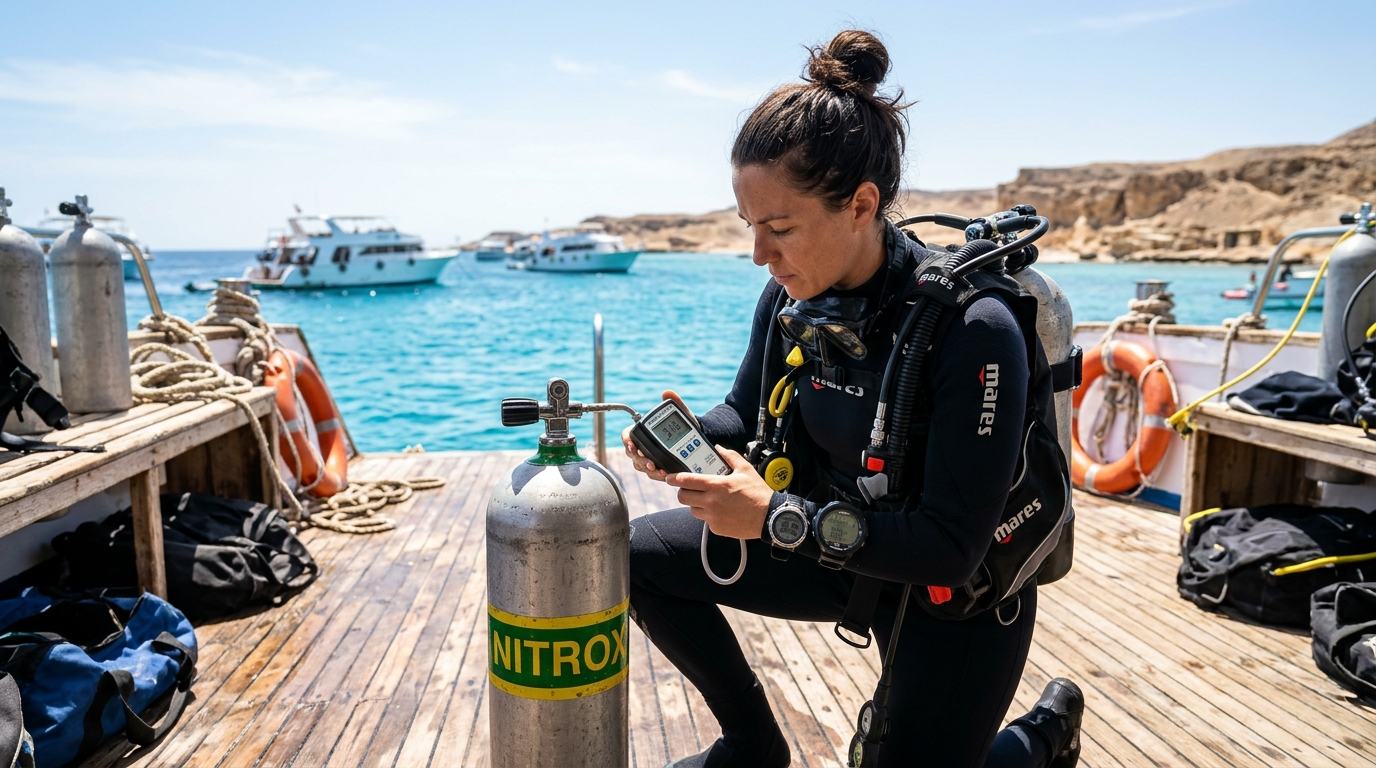
Furthermore, wreck explorers frequently encounter strict recreational no-decompression limits at depth. Utilizing enriched air provides a major advantage during these profiles. Choosing Nitrox diving in Hurghada substantially extends your allowable bottom time on mid-range wrecks like the Giannis D and Carnatic.
Careful preparation ensures a seamless holiday in Egypt. First, book your excursions with established, safety-focused dive centres that supply experienced guides. In addition, inspect your dive gear, particularly torch batteries and line reels, before boarding daily boats. Hurghada wreck diving involves varied ocean conditions, so preparedness is paramount.
Moreover, consider the seasonal timing of your trip to the Red Sea. Summer offers warm waters of around 28°C, whereas winter temperatures can drop to 21°C. Consequently, pack appropriate wetsuits (5mm to 7mm during colder months) to avoid chilling on long dives. Finally, always purchase comprehensive dive insurance covering search, rescue, and hyperbaric chamber treatments.