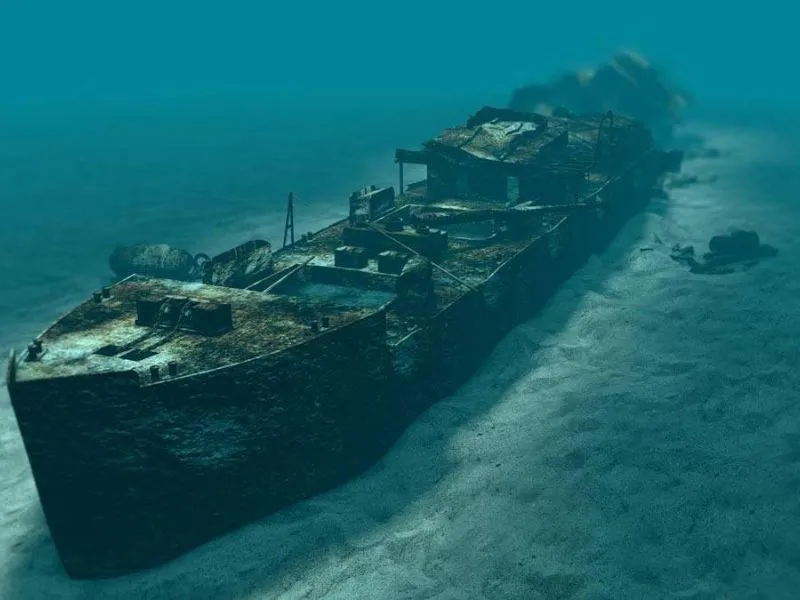
SS Thistlegorm wreck diving offers an extraordinary journey into one of the most famous shipwrecks in the Red Sea. The wreck lies in the northern Red Sea and attracts experienced divers who want to combine underwater exploration with history.
The SS Thistlegorm was a British merchant ship built during World War II. Its final voyage ended in tragedy when German aircraft attacked the vessel in October 1941.
Today, the wreck rests beneath the Red Sea and has become an important underwater attraction. Its preserved cargo and marine life make each dive a fascinating combination of history and nature.
The SS Thistlegorm was built in Glasgow, Scotland, and launched in 1940. During World War II, the ship transported military supplies to support Allied forces.
Its final journey took the vessel toward the Red Sea. The cargo included equipment and supplies intended for troops in North Africa.
In October 1941, German aircraft attacked the ship while it was anchored near the Strait of Gubal.
The resulting explosions caused severe damage, and the vessel sank to the seabed.
The SS Thistlegorm lies in the northern Red Sea near the Strait of Gubal. Its location places it within an important area for Red Sea diving.
Because the wreck is offshore, reaching it normally requires a dedicated diving trip or liveaboard itinerary.
The journey can take time. However, the underwater experience makes the effort worthwhile for divers interested in historical wrecks.
Many shipwrecks attract divers because of their structure. The SS Thistlegorm offers something more.
Parts of its original cargo remain visible inside and around the wreck.
Divers may see:
These objects provide a remarkable connection with the vessel’s wartime history.
The cargo holds are among the most interesting areas of SS Thistlegorm wreck diving.
Inside, divers can observe objects that have remained underwater for decades. However, entering enclosed areas requires suitable experience and careful planning.
Wreck penetration can involve:
Therefore, divers should never enter sections of the wreck without appropriate training and equipment.
One of the most recognizable features of the wreck is its collection of motorcycles.
Several motorcycles remain inside the cargo areas. Their presence helps divers understand the type of military equipment the ship transported.
Seeing these historic objects underwater can be an unforgettable experience.
The motorcycles also demonstrate how much of the original cargo remains connected with the wreck.
The SS Thistlegorm carried more than motorcycles. Divers can also encounter military vehicles and other transportation equipment.
These objects give the wreck a unique character.
Instead of simply seeing a collapsed ship structure, divers can identify individual pieces of cargo and imagine how the vessel looked during its wartime journey.
Another remarkable feature is the presence of railway locomotives associated with the wreck.
Their large size makes them particularly impressive underwater. They also provide another reminder of the scale of the cargo transported during the ship’s final voyage.
For history enthusiasts, these objects can make the dive feel like an underwater museum.
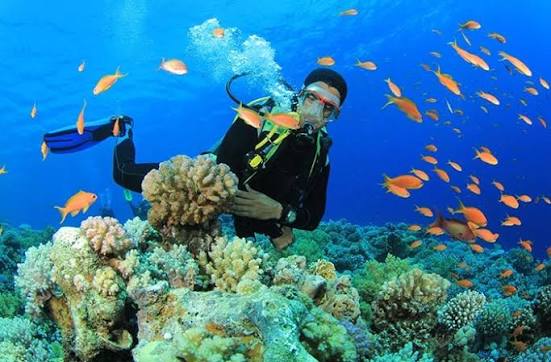
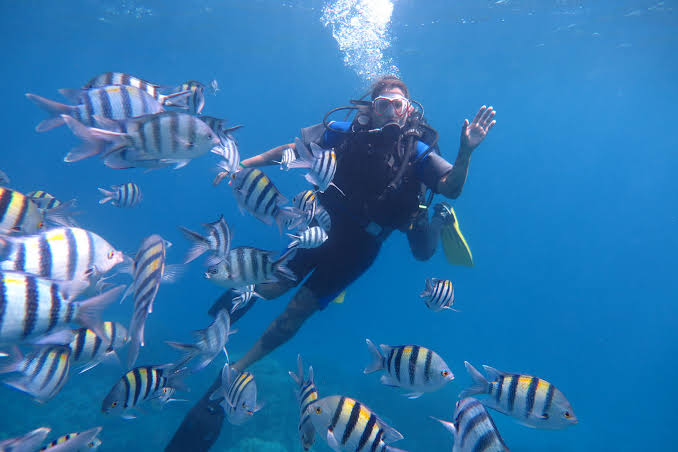
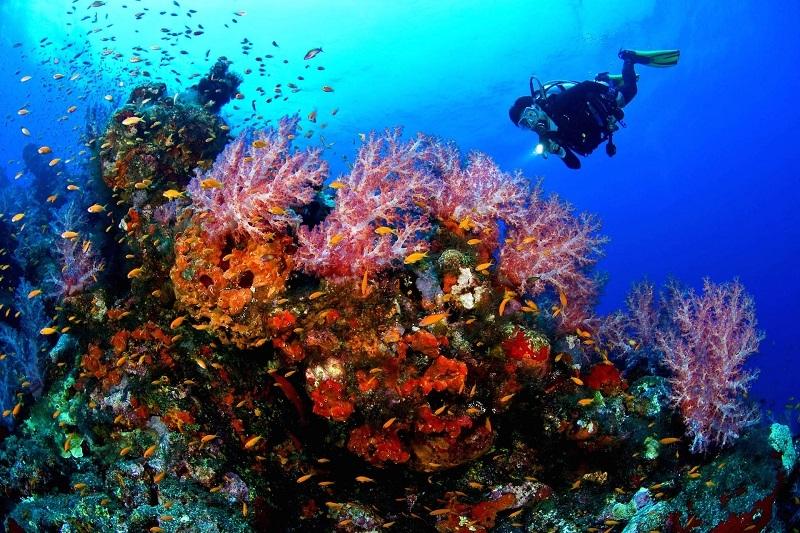
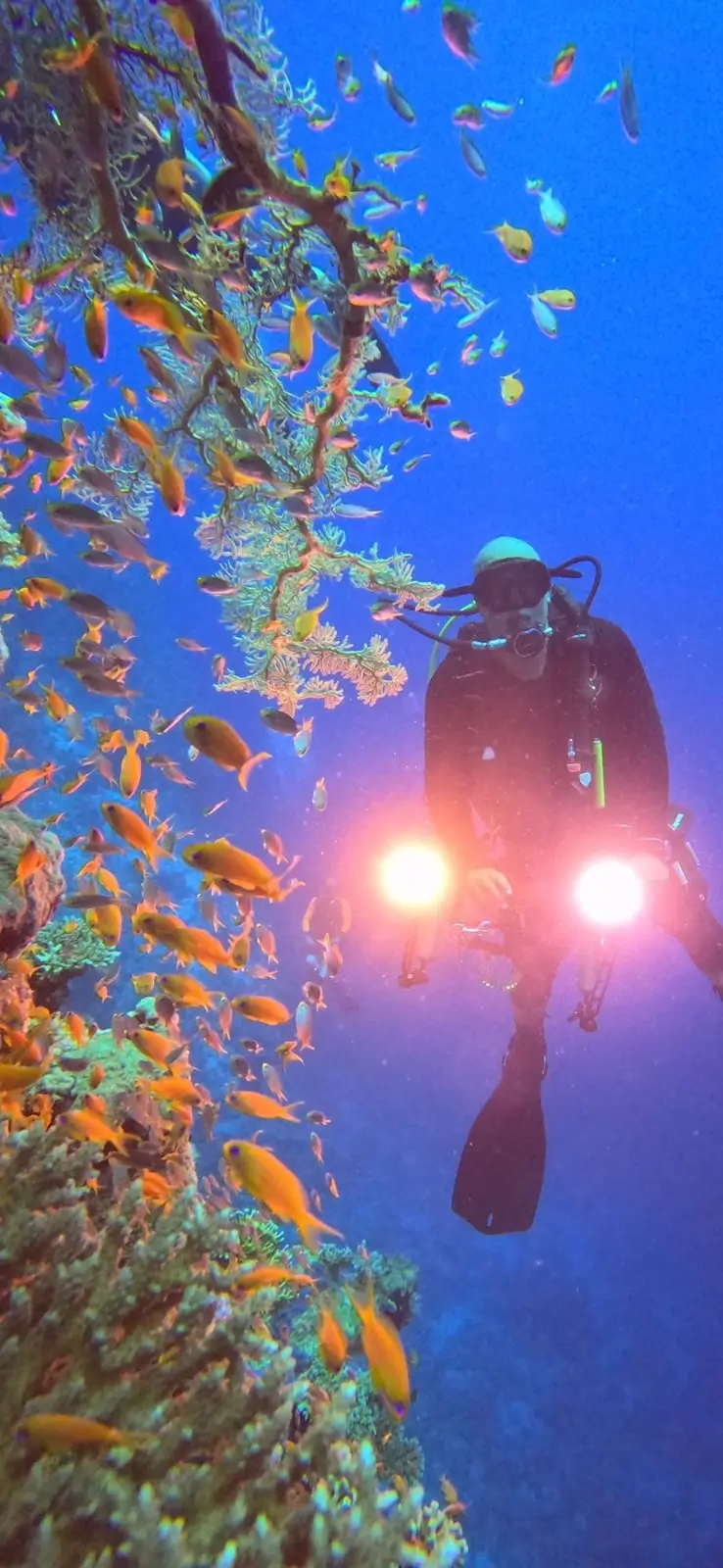
The SS Thistlegorm is not only a historical site. Over the decades, the wreck has become an artificial reef.
Marine organisms have colonized its surfaces, while fish use the structure for shelter.
Depending on conditions, divers may encounter:
Consequently, every dive combines history with the living ecosystem of the Red Sea.
Currents can occur around the SS Thistlegorm. Conditions vary according to weather, tides, and other environmental factors.
Strong currents can make diving more demanding, especially for inexperienced divers.
Before entering the water, listen carefully to the dive briefing. The guide can explain the planned route, entry point, current direction, and exit procedure.
Good preparation makes a significant difference.
The wreck is generally better suited to experienced divers. Depth, current, navigation, and potential penetration all require good diving skills.
Divers should be comfortable with:
Additional training may be necessary for penetration dives.
If you are not comfortable with overhead environments, you can still enjoy the external sections of the wreck without entering enclosed areas.
Excellent buoyancy is especially important during SS Thistlegorm wreck diving.
The wreck contains delicate structures and historical objects. Poor buoyancy can cause accidental contact and may damage both the diver’s equipment and the underwater site.
Maintain a controlled position and keep your fins away from the wreck.
Good buoyancy also helps photographers remain stable while observing the cargo and marine life.
The SS Thistlegorm provides countless photography opportunities.
Divers can photograph:
Wide-angle photography can capture the scale of the ship. Meanwhile, close-up images can highlight individual objects and marine creatures.
However, photography should never interfere with safe navigation.
Preparation begins before reaching the wreck.
Check your:
Also, review the dive plan with your buddy.
Knowing your entry and exit points is especially important because the wreck is large and underwater navigation can become confusing.
The SS Thistlegorm is more than a diving attraction. It is a historical site and an underwater habitat.
Divers should never remove objects from the wreck or intentionally disturb its structure.
Responsible behavior includes:
Preserving the wreck allows future generations to experience it.
Many divers visit the wreck as part of a multi-day Red Sea liveaboard itinerary.
This approach can be convenient because liveaboards allow divers to reach remote sites without returning to shore after every dive.
A liveaboard trip may also combine the SS Thistlegorm with other northern Red Sea dive sites.
As a result, divers can experience several different underwater environments during one holiday.
Few diving sites combine history, cargo, marine life, and shipwreck structure as effectively as the SS Thistlegorm.
The wreck tells a story through the objects that remain underwater. At the same time, coral and marine organisms show how nature has transformed the site over many decades.
That combination creates a unique diving experience.
SS Thistlegorm wreck diving offers much more than a traditional reef dive. The site allows divers to explore a historic World War II ship while observing the marine ecosystem that has developed around it.
The wreck demands preparation, good buoyancy, and appropriate experience. However, responsible divers can enjoy an unforgettable journey through one of Egypt’s most remarkable underwater historical sites.
For divers interested in both history and the Red Sea, the SS Thistlegorm remains a truly special destination.