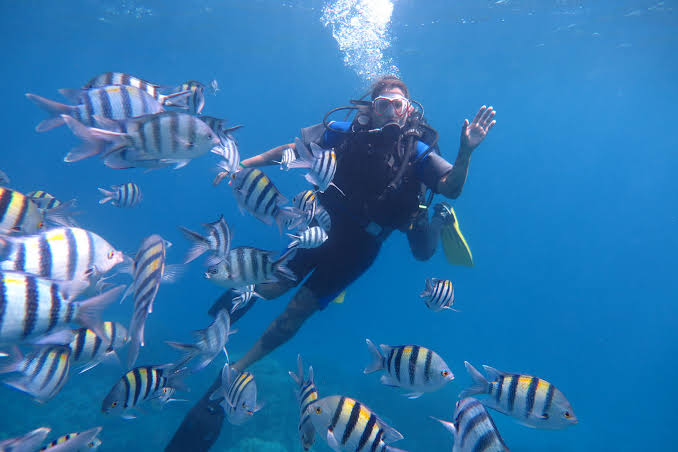
The PADI Open Water Course in Hurghada is a popular way to begin scuba diving in the Red Sea. It combines diving theory, practical training, and supervised open-water dives. As a result, students can develop the skills and confidence needed for independent recreational diving after certification.
Hurghada is also an attractive place to learn because students can complete their training close to beautiful coral reefs. The clear Red Sea water provides an exciting setting for applying new skills. Meanwhile, professional instructors can guide students through each stage of the course.
If you are considering becoming a certified diver, understanding the course structure can help you prepare for your first underwater adventure.
The PADI Open Water Diver course is an entry-level scuba diving certification program. It introduces students to the basic knowledge and skills required for recreational scuba diving.
During the course, students learn about:
The training combines knowledge development with practical diving exercises. Therefore, students learn both the theory behind scuba diving and how to apply it underwater.
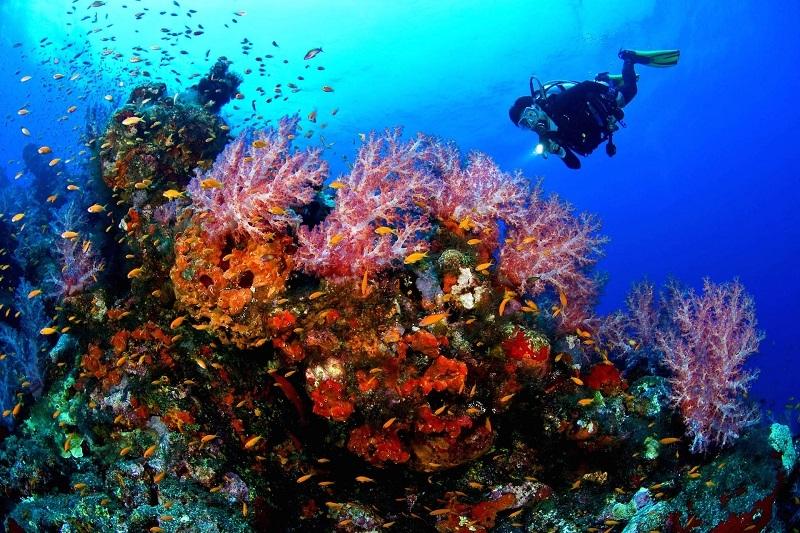
Hurghada offers an excellent environment for new divers. The Red Sea is famous for colorful coral reefs, diverse marine life, and attractive underwater landscapes.
Furthermore, the city has a well-established diving industry with training centers and experienced instructors.
Students can benefit from:
Because the underwater environment is so varied, completing your first certification in Hurghada can also make learning an exciting experience.
Before entering the water, students need to understand basic diving principles. The instructor introduces the equipment and explains how scuba diving works.
This initial stage helps students understand:
In addition, students learn important safety procedures before beginning practical exercises.
Equipment knowledge is an important part of the PADI Open Water Course in Hurghada. Students need to understand how each piece of equipment works and how it supports a safe dive.
The basic setup includes:
Your instructor will explain how to assemble and check the equipment. Then, you can practice using it before moving into more advanced exercises.
Practical training normally begins in a controlled environment. This allows students to practice essential skills before progressing to open-water dives.
During this stage, students may learn how to:
Because the environment is controlled, students can focus on learning each skill correctly.
Once students develop the required basic skills, they can begin supervised open-water dives.
This is often one of the most exciting parts of the course. The underwater environment changes from a training setting to a real Red Sea reef.
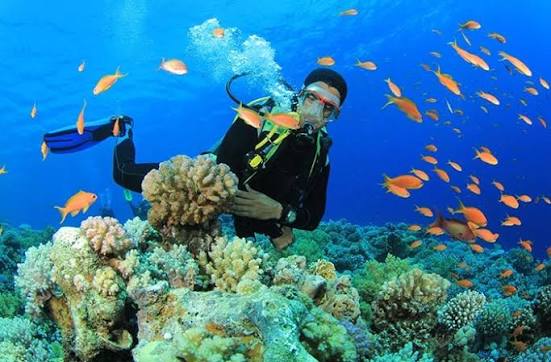
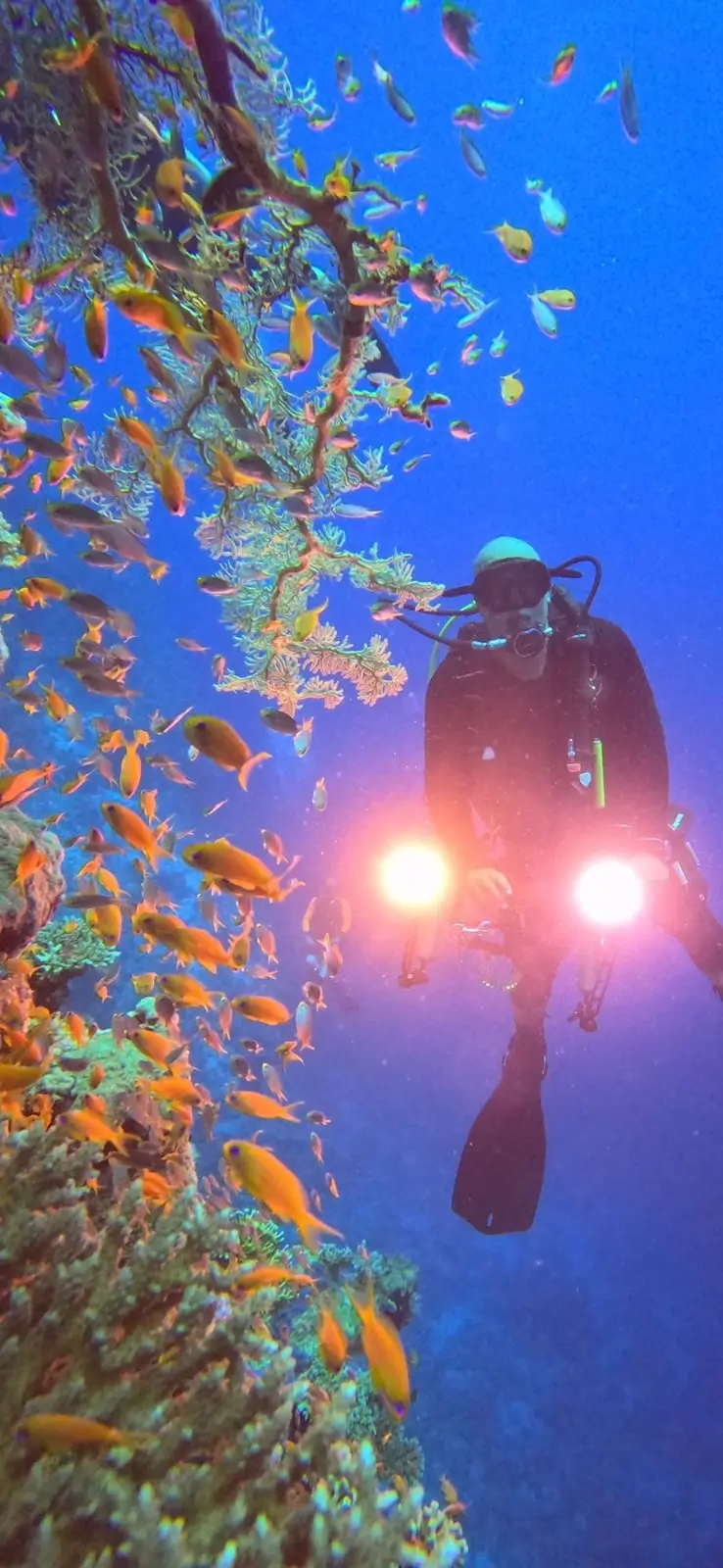
Suddenly, students can observe colorful fish and coral while practicing the skills they have learned.
However, the instructor remains responsible for supervising the training and selecting suitable conditions.
The course includes several practical skills designed to improve confidence and underwater control.
Students may practice:
Each skill has a specific purpose. Therefore, students should focus on understanding the reason behind each exercise rather than simply completing it.
Buoyancy is one of the most important skills for any new diver. Good buoyancy helps you remain stable, conserve energy, and avoid contact with coral.
During the course, students learn how breathing, weighting, and BCD adjustments affect their position in the water.
With practice, you can become more comfortable hovering and moving smoothly.
Moreover, better buoyancy helps protect the Red Sea environment because you can maintain a safe distance from fragile coral.
Divers cannot speak normally underwater. Instead, they use standardized hand signals to communicate.
Students learn signals for important messages such as:
These signals help divers communicate with their buddy and instructor.
For this reason, learning the signals carefully is an essential part of the course.
Scuba diving is normally based on a buddy system. Divers stay together and monitor each other throughout the dive.
Students learn how to:
This teamwork creates an additional layer of safety during recreational diving.
One advantage of completing your certification in Hurghada is the opportunity to learn while surrounded by marine life.
Depending on the training location, students may see:
Marine encounters should never distract students from their training objectives. Instead, they provide an enjoyable introduction to the underwater environment.
The exact course schedule can vary between diving centers and students. Some people complete the training over several consecutive days, while others prefer a more flexible schedule.
The total duration depends on factors such as:
Therefore, it is best to discuss the schedule with your chosen diving center before booking.
Students do not need to bring every piece of diving equipment from home. Many professional centers provide the main equipment required for training.
However, useful personal items include:
A personal mask can also be useful if you already own one and know that it fits comfortably.
After successfully completing the course, certified divers can continue developing their skills through recreational diving and further training.
Some divers choose to explore local reefs. Others continue with additional courses that introduce more specialized diving skills.
For example, future training can focus on:
Consequently, the entry-level course can become the starting point for a much longer diving journey.
Selecting a suitable diving center is an important part of your preparation. Look for an operation with qualified instructors, well-maintained equipment, clear communication, and a strong focus on safety.
Before booking, ask about:
A professional team should also explain the course clearly and answer your questions before training begins.
New divers should learn responsible diving habits from their first course. The Red Sea is home to delicate coral reefs and many marine species.
During training, students should:
These habits can become part of your normal diving routine as your experience grows.
For travelers interested in learning scuba diving, Hurghada offers a combination of professional training opportunities and an attractive Red Sea environment.
The city provides access to suitable training locations, while the surrounding reefs offer students their first real encounters with marine life.
Most importantly, beginners can progress step by step under professional supervision.
The PADI Open Water Course in Hurghada can be an exciting introduction to the world of scuba diving. Students learn essential theory, practice important skills, and complete supervised dives in the Red Sea.
Although the course provides a foundation, becoming a confident diver takes continued practice. Keep learning, follow safe diving procedures, and respect the underwater environment.
With professional instruction and a patient approach, your first certification can become the beginning of many future adventures beneath the surface of the Red Sea.