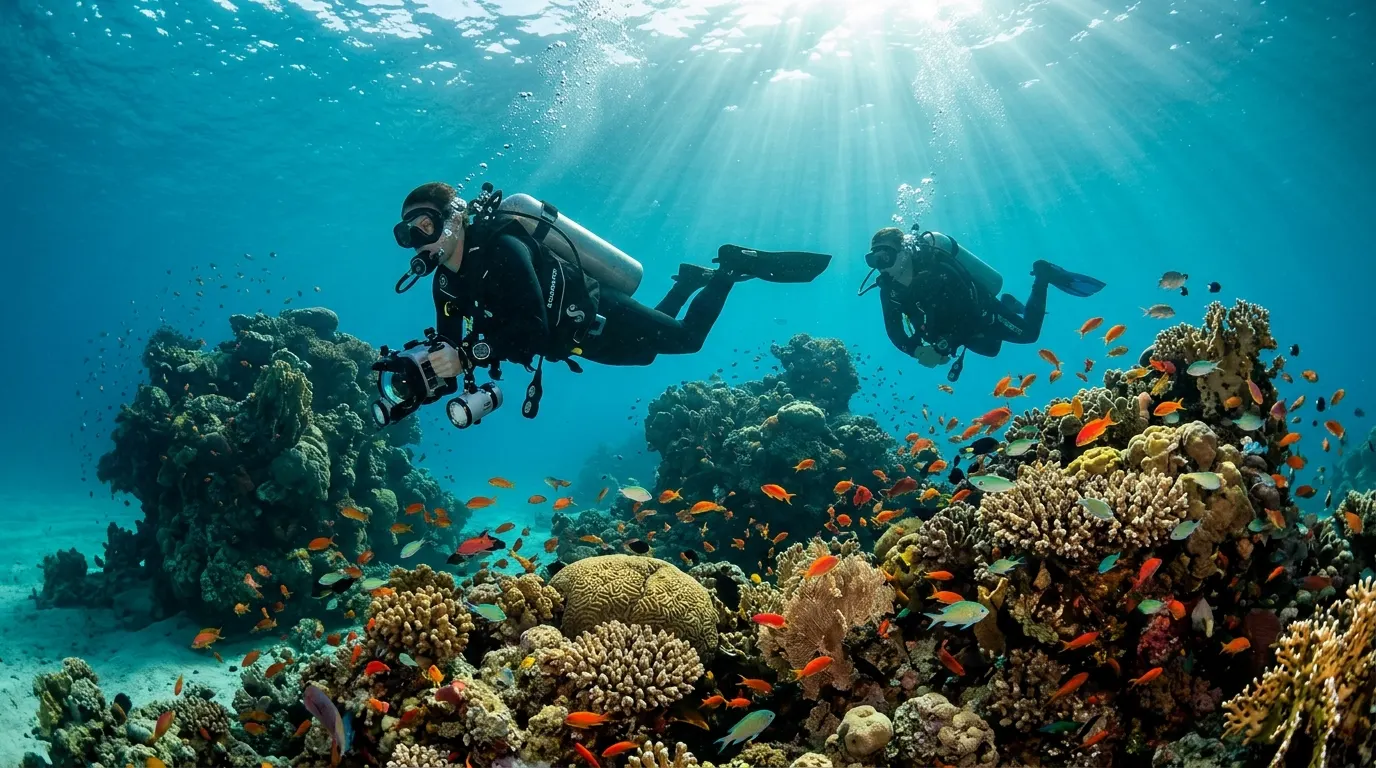
Are you looking for an exhilarating offshore adventure in Egypt? Carless reef diving offers one of the most rewarding underwater experiences near Hurghada. In fact, this remote plateau attracts seasoned scuba enthusiasts from around the world. Moreover, the offshore location delivers pristine visibility and dynamic sea life. As a result, divers encounter vibrant corals alongside impressive pelagic creatures.
Carless Reef sits midway between Hurghada and Shaab Umm Gamar. Therefore, its exposed position welcomes open-ocean currents. Consequently, these nutrient-rich flows nourish dense coral gardens across the plateau. Divers frequently choose carless reef diving to explore an untouched marine haven. Furthermore, Golden Star Divers guides enthusiasts through this stunning plateau safely. In addition, you can review our Carless Reef Diving: Breathtaking Offshore Pinnacles for historical details on this offshore wonder.
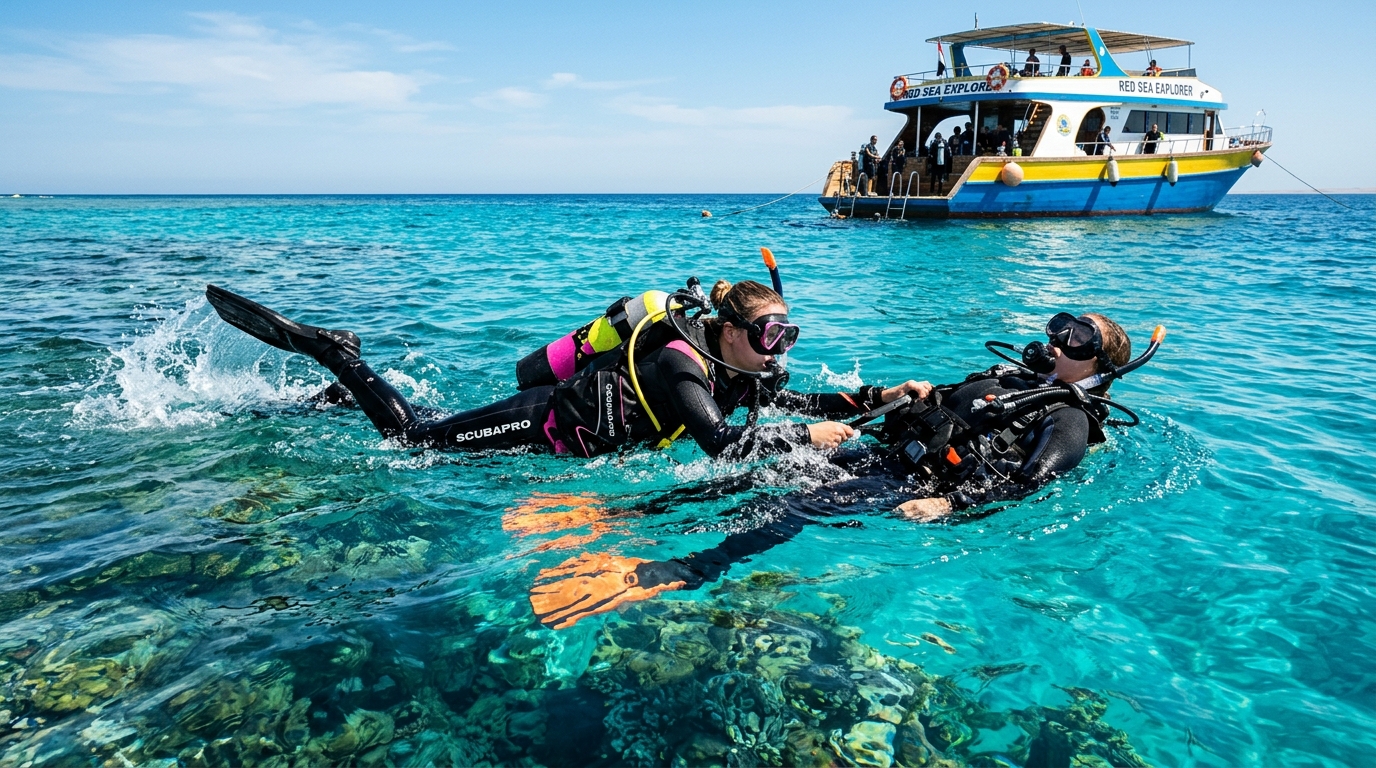
However, the offshore setting means that calm seas are essential for safe mooring. In contrast to sheltered bays, open waters can produce choppy surface conditions. Nevertheless, the underwater rewards far outweigh the boat journey. Therefore, many divers rank this location as a premier highlight of their Red Sea holiday.
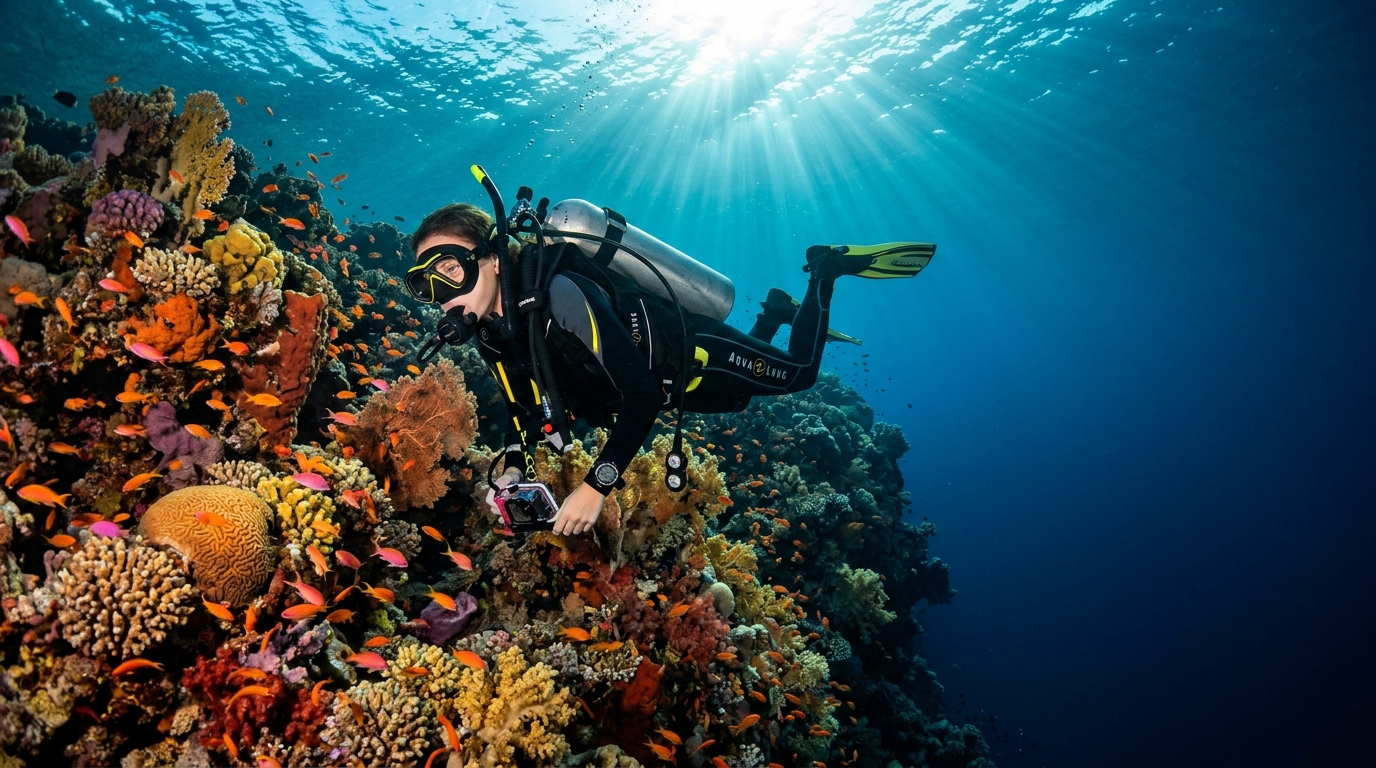
A broad plateau forms the foundation for carless reef diving adventures. This plateau rests comfortably at sixteen meters below the surface. On the other hand, vertical walls plunge deeply into the abyss on both sides. In fact, divers marvel at the dramatic change in depth as they hover over the drop-offs.
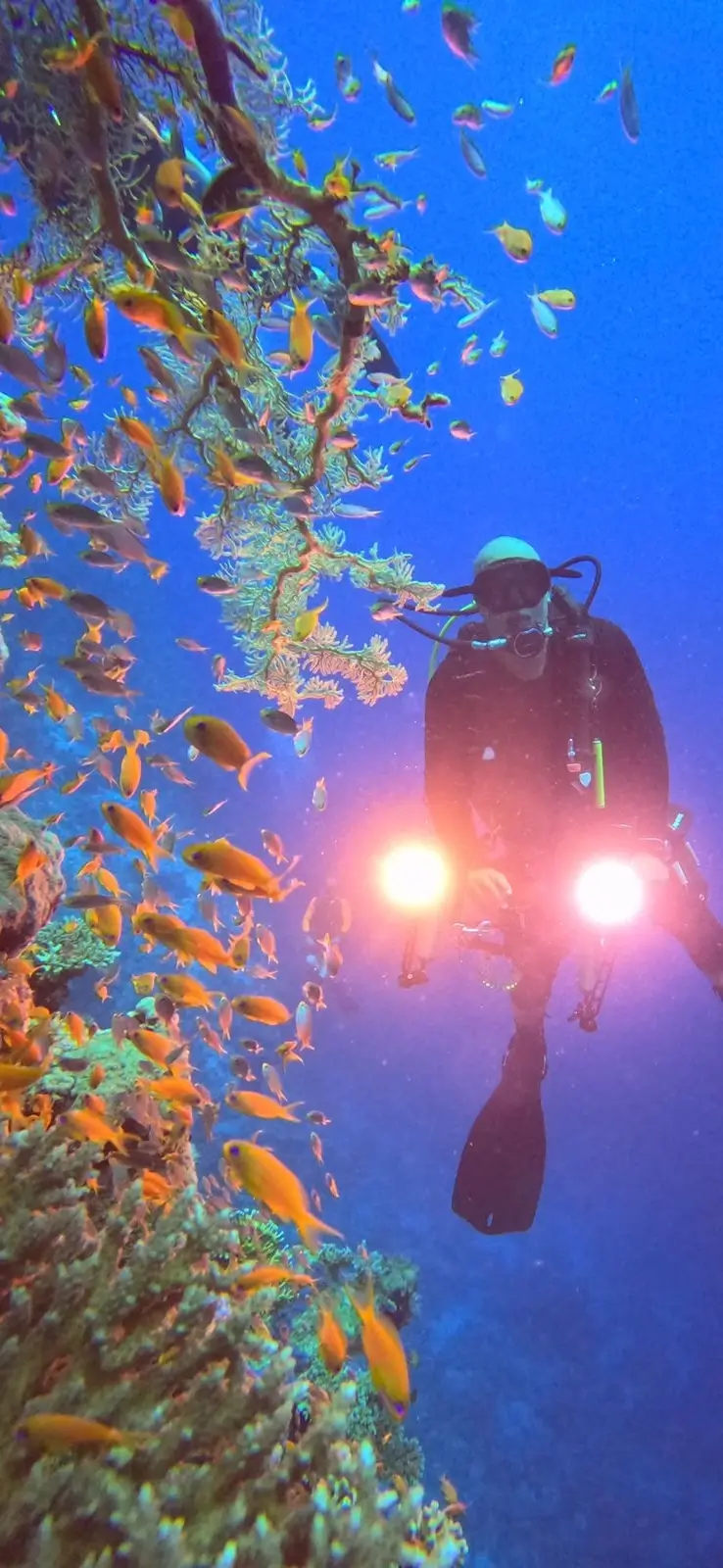
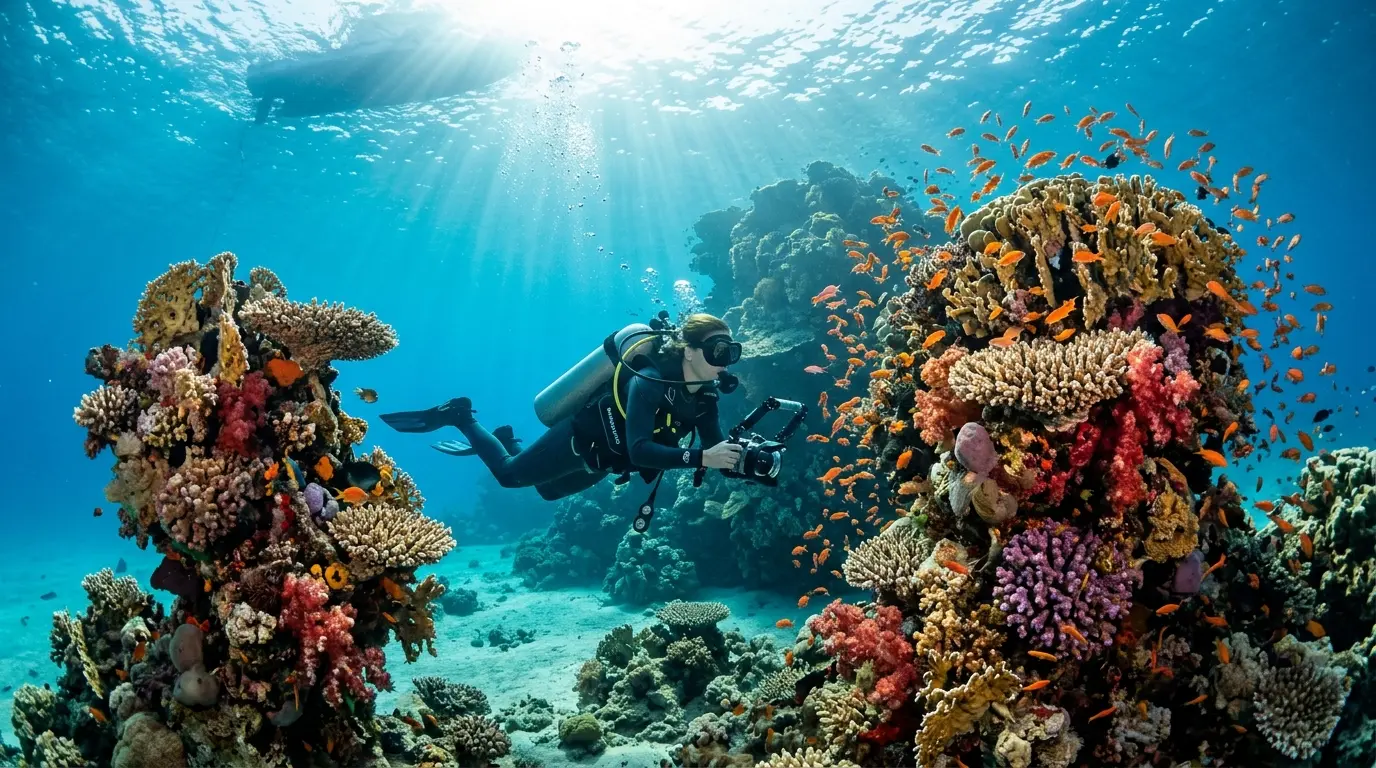
Two massive coral towers rise from this elevated seabed. For example, the northern pinnacle reaches within twelve meters of the surface. Meanwhile, soft corals, gorgonians, and black coral bushes coat every surface. Consequently, sunlight creates dramatic silhouettes as you circle the pinnacles. In addition, small caves and overhangs provide shelter for resting reef fish. Therefore, careful buoyancy helps you inspect these recesses without disturbing delicate structures.
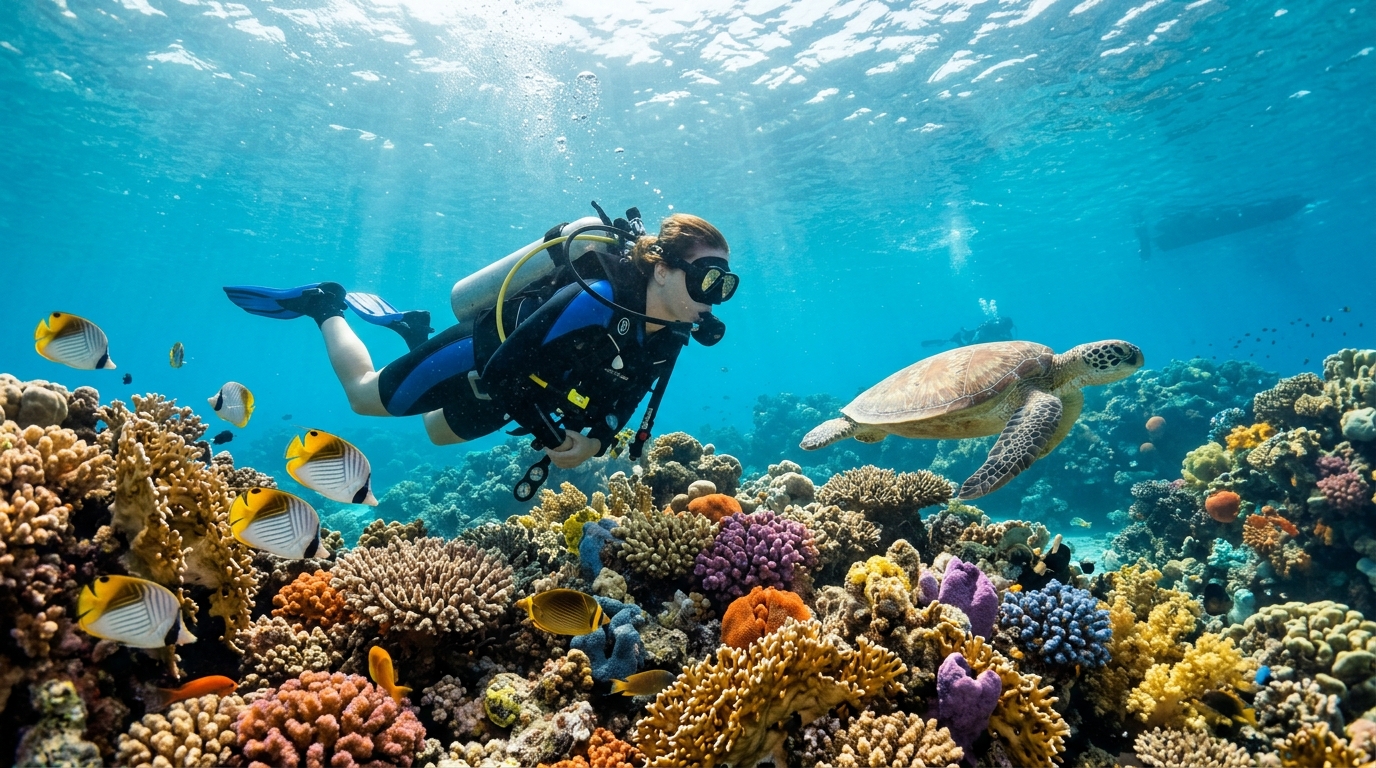
Biodiversity thrives across every square meter of Carless Reef. In fact, the healthy hard corals support hundreds of species. Furthermore, large schools of fusiliers sweep across the reef crest in unison. As a result, carless reef diving provides non-stop action for underwater photographers.
Moreover, the site is famous for its resident giant morays. You can learn more about Red Sea Moray Eels – Fascinating Creatures of Hurghada to appreciate their curious behavior. For instance, these morays often leave their crevices to glide freely across open sand patches. In addition, pelagic species patrol the blue waters around the drop-offs. Trevallies, barracudas, and whitetip reef sharks actively hunt near the pinnacles. Similarly, scientists study the unique biodiversity of the Red Sea ecosystem due to its extraordinary coral resilience.
Because the reef sits miles offshore, tidal currents can change swiftly. Therefore, divers must respect local water movements at all times. On good days, gentle drifts allow for relaxing exploration. However, strong currents can challenge divers who lack open-water experience. Consequently, Golden Star Divers always checks sea forecasts before launching daily boat trips.
Solid buoyancy control remains vital during carless reef diving. In fact, completing an Advanced Open Water Diver Course Hurghada provides the necessary preparation for offshore depths. Furthermore, divers must know how to deploy a surface marker buoy efficiently. In contrast to shallow reefs, offshore ascents require strict safety stop discipline. As a result, confident divers enjoy maximum bottom time with complete peace of mind.
Thorough preparation guarantees an unforgettable Red Sea outing. For example, using Enriched Air extends your allowable bottom time on the sixteen-meter plateau. You can study our Nitrox Diving in Hurghada: Guide to Epic Bottom Time to maximize your dive profiles. Therefore, carless reef diving delivers richer experiences when combined with proper gas management.
Additionally, dive computers and audible signaling devices are mandatory tools offshore. In contrast to inshore diving, open sea safety demands dependable redundancy. Furthermore, always dive alongside an experienced guide who understands local drift directions. Finally, relax your breathing so you consume less air while observing pelagic species. With these practical measures, your adventure at Carless Reef will become a lifelong memory.