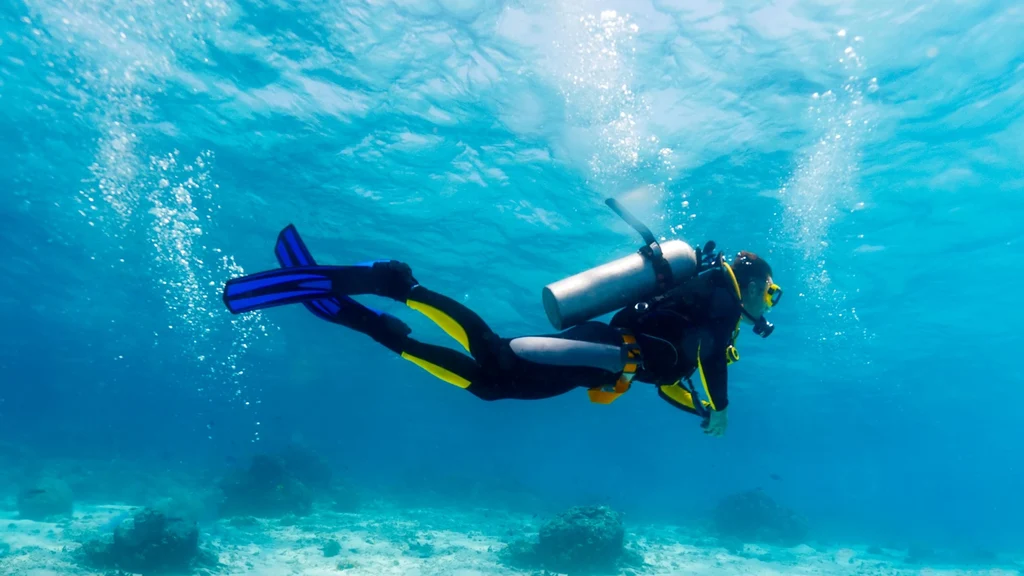
How to Improve Buoyancy Control for Better Diving in Hurghada

How to Improve Buoyancy Control for Better Diving in Hurghada Buoyancy control diving is one of the most important skills every scuba diver can develop. Good buoyancy allows you to move smoothly through the water, conserve energy, improve air consumption, and protect fragile coral reefs. Hurghada provides an excellent environment for practicing this skill. The clear Red Sea water makes it easier to observe your position and movement underwater. In addition, the area's colorful reefs give divers a strong reason to develop better control and avoid unnecessary contact with the seabed. Whether you are a beginner or an experienced diver, improving buoyancy can make every dive more comfortable. What Is Buoyancy Control? Buoyancy control means managing your position in the water so that you can remain stable without constantly kicking or changing depth. A well-balanced diver can: Hover comfortably Move efficiently Control depth Reduce unnecessary effort Protect the reef Improve air consumption Good buoyancy does not happen instantly. Instead, it develops through practice and better awareness of your equipment, breathing, and body position. Why Buoyancy Matters in Hurghada The Red Sea contains beautiful coral formations that can take many years to develop. Even a small accidental contact with a fin or tank can damage delicate marine life. Better buoyancy helps you remain above the reef while exploring. It also allows you to: Observe marine life without disturbing it Take underwater photographs more easily Swim through narrow areas safely Avoid stirring up sand Reduce physical effort Therefore, buoyancy is both a diving skill and an important environmental responsibility. Start With the Correct Weight One of the most common buoyancy problems comes from using too much weight. Extra weight forces you to add more air to your BCD, which can make your position less stable. Before diving, work with your instructor or guide to determine a suitable weight. A proper weighting setup should allow you to: Float comfortably at the surface Descend without excessive effort Maintain neutral buoyancy during the dive Avoid carrying unnecessary weight Your ideal weight can change depending on your wetsuit, tank, equipment, and water conditions. Learn to Control Your Breathing Your breathing affects your buoyancy. When you inhale, your body becomes slightly more buoyant. When you exhale, it becomes slightly less buoyant. You can use this natural movement to make small depth adjustments. Try to: Breathe slowly Avoid holding your breath Maintain a steady rhythm Observe how your depth changes With practice, breathing becomes one of your most useful buoyancy tools. Use Your BCD Carefully Your BCD helps you make larger buoyancy adjustments. However, beginners sometimes add or release too much air at once. Instead, make small changes and wait for the result. Remember that air expands as you ascend and becomes more compressed as you descend. Therefore, your buoyancy can change during a dive even when you do not add or remove equipment. Small adjustments help you remain stable. Improve Your Body Position Your body position, or trim, also affects buoyancy. A horizontal position usually allows you to move more efficiently than a vertical posture. Try to keep: Your body streamlined Your knees slightly bent Your fins behind you Your equipment secured Your head in a comfortable position Good trim reduces drag and makes swimming easier. Stop Using Your Fins Constantly Some divers use their fins continuously without realizing it. This habit can make buoyancy problems worse. Once you achieve neutral buoyancy, try stopping your fin movement for a few seconds. If you remain at the same depth, your buoyancy is probably close to correct. If you rise or sink, make a small adjustment rather than immediately kicking harder. Practice Hovering Hovering is one of the best exercises for improving buoyancy control diving skills. Choose a safe training area and attempt to remain in one position without: Kicking Touching the bottom Holding onto the reef Making large BCD adjustments Start with short periods. Then gradually increase the time. As your control improves, you will feel more relaxed underwater. Avoid Touching the Coral Good buoyancy is especially important when diving over coral reefs. Divers should never use coral as a handhold or push away from the reef with their fins. Instead, maintain enough distance to move freely. This protects: Hard corals Soft corals Small reef organisms Marine habitats It also reduces the chance of damaging your equipment. Improve Your Air Consumption Better buoyancy can help reduce unnecessary air consumption. When you remain stable, you do not need to constantly kick or make large body movements. This can reduce physical effort during a dive. However, air consumption depends on several factors, including: Experience Breathing pattern Depth Fitness Equipment Water conditions Do not focus only on extending your dive. Safety and proper gas management should always come first. Buoyancy and Underwater Photography Photographers benefit greatly from good buoyancy. A stable position makes it easier to compose images without touching the reef. Before taking a photograph: Establish neutral buoyancy. Stop unnecessary movement. Position yourself carefully. Take the photograph. Move away without touching the reef. This approach protects the environment while also producing clearer images. Practice in Different Conditions Once your buoyancy improves in calm water, practice in different environments. Each location can present new challenges. You may eventually encounter: Gentle currents Deeper water Reef walls Sandy bottoms Different exposure protection Your weighting and trim can feel different in each situation. Therefore, continue adjusting your technique as your experience grows. Common Buoyancy Mistakes Several habits can make buoyancy more difficult. Avoid: Carrying excessive weight Holding your breath Inflating the BCD too much Making large corrections Kicking constantly Ignoring your body position Touching the reef for stability Instead, focus on small, controlled movements. How Beginners Can Improve Faster New divers should not expect perfect buoyancy after only a few dives. The skill develops gradually. Practice simple exercises under professional supervision. For example, try hovering, controlled ascents, and slow descents in an appropriate training area. Ask your instructor to observe your: Breathing Body position Weighting Fin movement BCD use Constructive feedback can help you identify problems much faster. Advanced Divers Can Refine Their Technique Experienced divers can continue improving even after hundreds of dives. Advanced buoyancy control can make difficult dives easier and more enjoyable. You can work on: Precise depth control Horizontal trim Minimal fin movement Photography stability Current management Efficient movement These skills are particularly useful for wreck diving, underwater photography, and deeper Red Sea sites. Become a More Efficient Diver Buoyancy control diving skills improve with patience and consistent practice. The goal is not simply to float without sinking. Instead, the goal is to move naturally and efficiently while remaining aware of your surroundings. Hurghada's clear waters and beautiful reefs provide excellent opportunities to develop these abilities. With correct weighting, controlled breathing, good trim, and careful BCD use, you can become more comfortable underwater and reduce your impact on the marine environment. Final Thoughts Improving buoyancy control diving skills can transform the way you experience the Red Sea. You will move more smoothly, use less effort, enjoy marine life more closely, and protect the reefs around you. The best results come from regular practice rather than trying to master everything at once. Take your time, listen to your instructor, and focus on small improvements during every dive. Good buoyancy is not just an advanced technique. It is one of the foundations of safe, enjoyable, and responsible scuba diving.
by Golden Star Divers 14th Aug, 2026 7 mins Read

How to Improve Buoyancy Control for Better Diving in Hurghada

Buoyancy control diving is one of the most important skills every scuba diver can develop. Good buoyancy allows you to move smoothly through the water, conserve energy, improve air consumption, and protect fragile coral reefs.

Hurghada provides an excellent environment for practicing this skill. The clear Red Sea water makes it easier to observe your position and movement underwater. In addition, the area’s colorful reefs give divers a strong reason to develop better control and avoid unnecessary contact with the seabed.

Whether you are a beginner or an experienced diver, improving buoyancy can make every dive more comfortable.

What Is Buoyancy Control?

Buoyancy control means managing your position in the water so that you can remain stable without constantly kicking or changing depth.

A well-balanced diver can:

  • Hover comfortably
  • Move efficiently
  • Control depth
  • Reduce unnecessary effort
  • Protect the reef
  • Improve air consumption

Good buoyancy does not happen instantly. Instead, it develops through practice and better awareness of your equipment, breathing, and body position.

Why Buoyancy Matters in Hurghada

The Red Sea contains beautiful coral formations that can take many years to develop. Even a small accidental contact with a fin or tank can damage delicate marine life.

Better buoyancy helps you remain above the reef while exploring.

It also allows you to:

  • Observe marine life without disturbing it
  • Take underwater photographs more easily
  • Swim through narrow areas safely
  • Avoid stirring up sand
  • Reduce physical effort

Therefore, buoyancy is both a diving skill and an important environmental responsibility.

Start With the Correct Weight

One of the most common buoyancy problems comes from using too much weight. Extra weight forces you to add more air to your BCD, which can make your position less stable.

Before diving, work with your instructor or guide to determine a suitable weight.

A proper weighting setup should allow you to:

  • Float comfortably at the surface
  • Descend without excessive effort
  • Maintain neutral buoyancy during the dive
  • Avoid carrying unnecessary weight

Your ideal weight can change depending on your wetsuit, tank, equipment, and water conditions.

Learn to Control Your Breathing

Your breathing affects your buoyancy. When you inhale, your body becomes slightly more buoyant. When you exhale, it becomes slightly less buoyant.

You can use this natural movement to make small depth adjustments.

Try to:

  • Breathe slowly
  • Avoid holding your breath
  • Maintain a steady rhythm
  • Observe how your depth changes

With practice, breathing becomes one of your most useful buoyancy tools.

Use Your BCD Carefully

Your BCD helps you make larger buoyancy adjustments. However, beginners sometimes add or release too much air at once.

Instead, make small changes and wait for the result.

Remember that air expands as you ascend and becomes more compressed as you descend. Therefore, your buoyancy can change during a dive even when you do not add or remove equipment.

Small adjustments help you remain stable.

Improve Your Body Position

Your body position, or trim, also affects buoyancy. A horizontal position usually allows you to move more efficiently than a vertical posture.

Try to keep:

  • Your body streamlined
  • Your knees slightly bent
  • Your fins behind you
  • Your equipment secured
  • Your head in a comfortable position

Good trim reduces drag and makes swimming easier.

Stop Using Your Fins Constantly

Some divers use their fins continuously without realizing it. This habit can make buoyancy problems worse.

Once you achieve neutral buoyancy, try stopping your fin movement for a few seconds.

If you remain at the same depth, your buoyancy is probably close to correct.

If you rise or sink, make a small adjustment rather than immediately kicking harder.

Practice Hovering

Hovering is one of the best exercises for improving buoyancy control diving skills.

Choose a safe training area and attempt to remain in one position without:

  • Kicking
  • Touching the bottom
  • Holding onto the reef
  • Making large BCD adjustments

Start with short periods. Then gradually increase the time.

As your control improves, you will feel more relaxed underwater.

Avoid Touching the Coral

Good buoyancy is especially important when diving over coral reefs. Divers should never use coral as a handhold or push away from the reef with their fins.

Instead, maintain enough distance to move freely.

This protects:

  • Hard corals
  • Soft corals
  • Small reef organisms
  • Marine habitats

It also reduces the chance of damaging your equipment.

Improve Your Air Consumption

Better buoyancy can help reduce unnecessary air consumption. When you remain stable, you do not need to constantly kick or make large body movements.

This can reduce physical effort during a dive.

However, air consumption depends on several factors, including:

  • Experience
  • Breathing pattern
  • Depth
  • Fitness
  • Equipment
  • Water conditions

Do not focus only on extending your dive. Safety and proper gas management should always come first.

Buoyancy and Underwater Photography

Photographers benefit greatly from good buoyancy. A stable position makes it easier to compose images without touching the reef.

Before taking a photograph:

  1. Establish neutral buoyancy.
  2. Stop unnecessary movement.
  3. Position yourself carefully.
  4. Take the photograph.
  5. Move away without touching the reef.

This approach protects the environment while also producing clearer images.

Practice in Different Conditions

Once your buoyancy improves in calm water, practice in different environments. Each location can present new challenges.

You may eventually encounter:

  • Gentle currents
  • Deeper water
  • Reef walls
  • Sandy bottoms
  • Different exposure protection

Your weighting and trim can feel different in each situation. Therefore, continue adjusting your technique as your experience grows.

Common Buoyancy Mistakes

Several habits can make buoyancy more difficult.

Avoid:

  • Carrying excessive weight
  • Holding your breath
  • Inflating the BCD too much
  • Making large corrections
  • Kicking constantly
  • Ignoring your body position
  • Touching the reef for stability

Instead, focus on small, controlled movements.

How Beginners Can Improve Faster

New divers should not expect perfect buoyancy after only a few dives. The skill develops gradually.

Practice simple exercises under professional supervision. For example, try hovering, controlled ascents, and slow descents in an appropriate training area.

Ask your instructor to observe your:

  • Breathing
  • Body position
  • Weighting
  • Fin movement
  • BCD use

Constructive feedback can help you identify problems much faster.

Advanced Divers Can Refine Their Technique

Experienced divers can continue improving even after hundreds of dives. Advanced buoyancy control can make difficult dives easier and more enjoyable.

You can work on:

  • Precise depth control
  • Horizontal trim
  • Minimal fin movement
  • Photography stability
  • Current management
  • Efficient movement

These skills are particularly useful for wreck diving, underwater photography, and deeper Red Sea sites.

Become a More Efficient Diver

Buoyancy control diving skills improve with patience and consistent practice. The goal is not simply to float without sinking. Instead, the goal is to move naturally and efficiently while remaining aware of your surroundings.

Hurghada’s clear waters and beautiful reefs provide excellent opportunities to develop these abilities.

With correct weighting, controlled breathing, good trim, and careful BCD use, you can become more comfortable underwater and reduce your impact on the marine environment.

Final Thoughts

Improving buoyancy control diving skills can transform the way you experience the Red Sea. You will move more smoothly, use less effort, enjoy marine life more closely, and protect the reefs around you.

The best results come from regular practice rather than trying to master everything at once. Take your time, listen to your instructor, and focus on small improvements during every dive.

Good buoyancy is not just an advanced technique. It is one of the foundations of safe, enjoyable, and responsible scuba diving.

No Tags
    Share:

    Post a comment

    Your email address will not be published. Required fields are marked *

    🍪 We use cookies to improve your experience, analyze traffic, and personalize content.