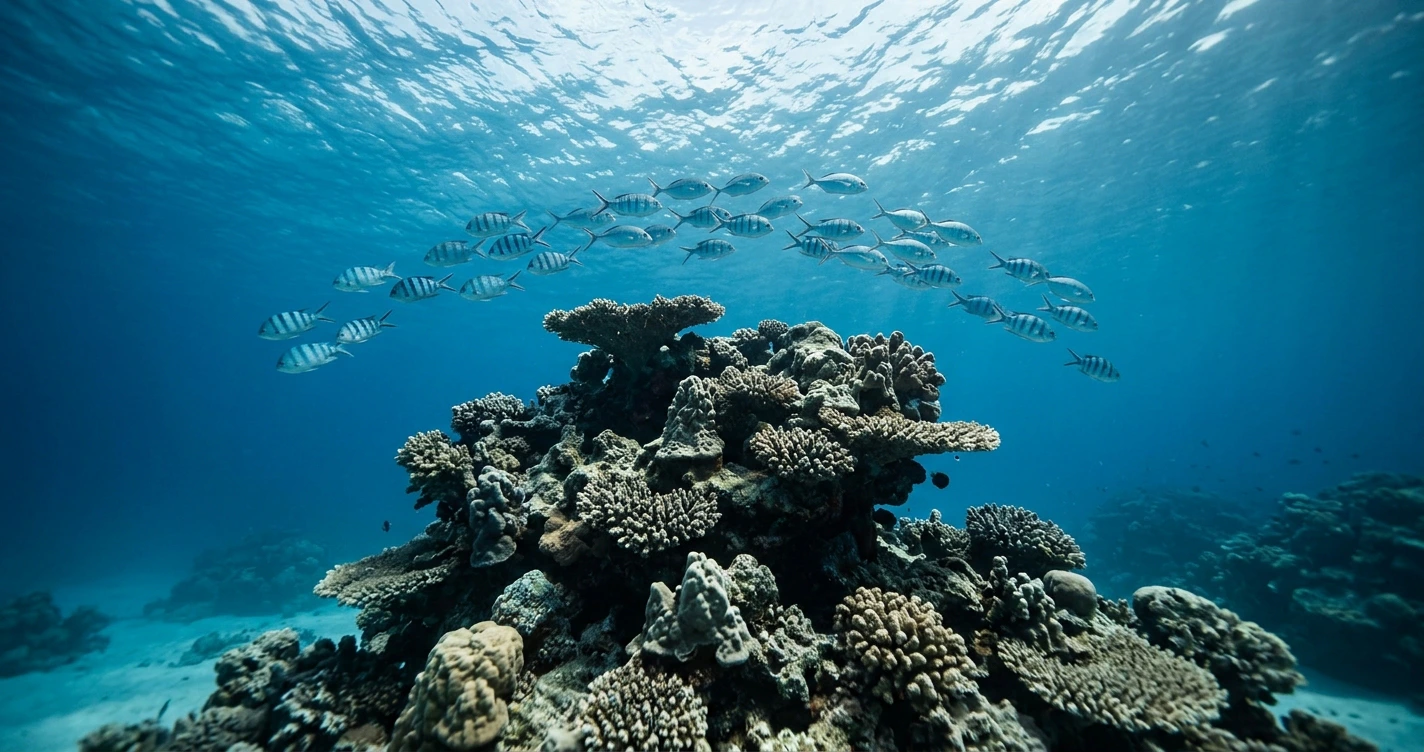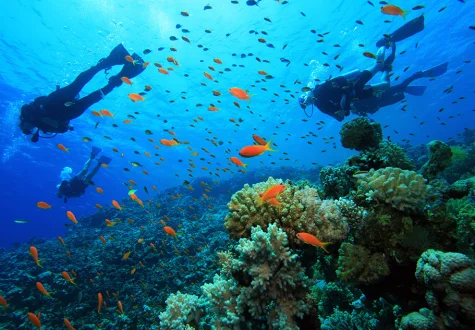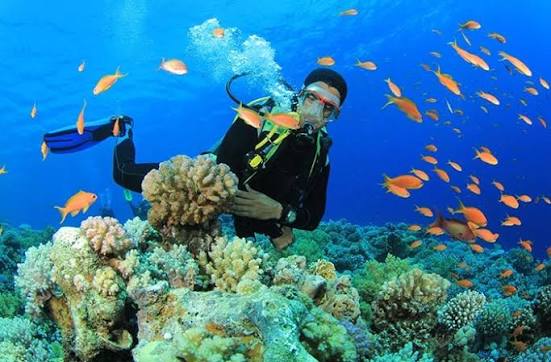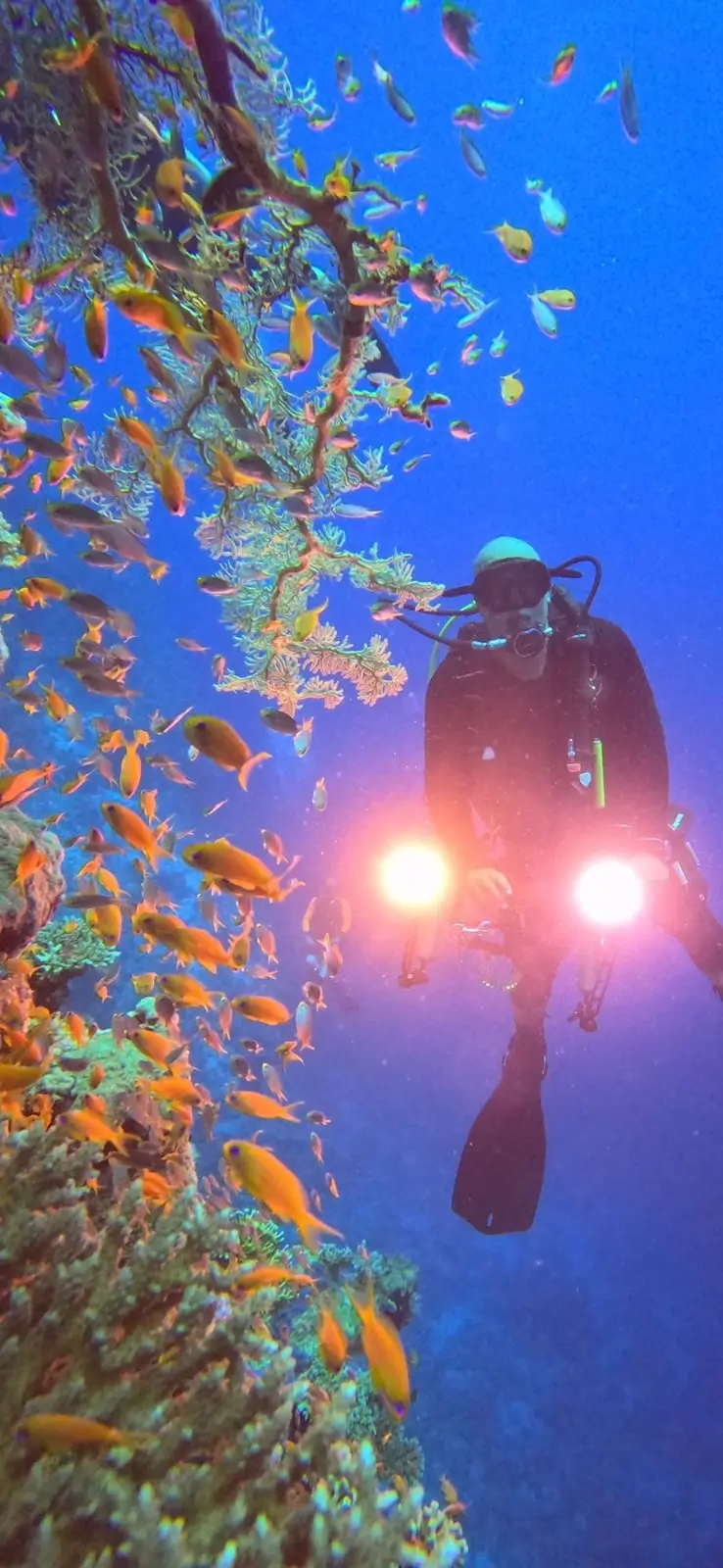
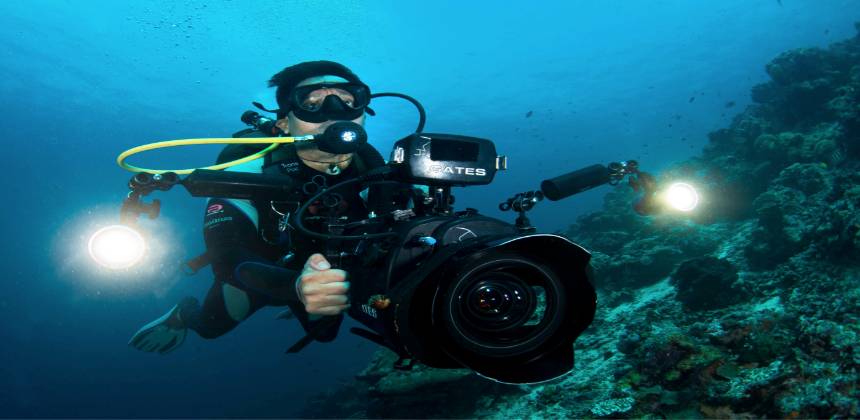
Underwater photography Hurghada adventures offer breathtaking chances to document vibrant marine ecosystems in the Red Sea. Capturing crisp images of colorful fish and pristine coral gardens requires both technical knowledge and practical water skills. Because the Red Sea features incredible water clarity, photographers find endless inspiration just beneath the surface. Mastering a few core techniques will quickly elevate your underwater portfolio.
Getting sharp images starts with understanding your camera settings before you submerge. Manual mode gives you total control over shutter speed, aperture, and ISO. Fast shutter speeds help freeze the movement of fast-swimming reef creatures. Meanwhile, adjusting your aperture controls the depth of field in your composition. For more advice on gear selection, read how to choose the right diving equipment in Hurghada.
Water absorbs natural light quickly as you descend deeper into the ocean. Therefore, shooting in RAW format allows you to easily restore lost colors during post-processing. Setting a custom white balance or using red filters at shallow depths brings warmth back into your photos. Practicing these adjustments on shallow reefs prevents you from missing fleeting marine encounters.
When planning your next outing, proper equipment preparation is vital for success. Ensure your housing o-rings are clean and lightly greased before every single dive. Even a tiny grain of sand can cause leaks and destroy expensive electronics. Checking your setup topside guarantees a stress-free session once you enter the water.
Lighting is the secret ingredient behind stunning underwater photography Hurghada captures. Natural sunlight creates beautiful caustic patterns, but artificial strobes reveal true hidden colors. Position your strobes slightly outward to avoid illuminating floating particles in the water column. This technique drastically reduces backscatter and keeps your subjects looking sharp and clear.
Shooting macro subjects requires close positioning and precise focus on the animal’s eyes. Red Sea inhabitants like Red Sea moray eels make fantastic, patient photographic subjects. Approach them slowly to avoid causing any stress or sudden movements. Patience always yields more rewarding behavioral shots than chasing animals around the reef.
Wide-angle photography tells a much broader story about your dive site environment. Frame your shots upwards toward the surface to capture silhouetted dive buddies against the sun. Including a diver in your frame also gives viewers a clear sense of scale. Divers can learn more about local topography by reviewing a Hurghada diving holiday complete guide for divers.
Strong composition draws the viewer directly into the heart of your underwater frame. Apply the rule of thirds by placing your main subject off-center instead of dead in the middle. Look for natural leading lines created by coral walls or sandy channels. These visual cues naturally guide the human eye through the entire image.
Always shoot upward at a slight angle whenever possible. This technique separates your subject from the background reef and adds dramatic depth. Furthermore, clean backgrounds make colorful fish pop out with striking visual contrast. Avoiding cluttered backgrounds takes intentional positioning and steady fin kicks.
Great underwater photography Hurghada results rely entirely on impeccable buoyancy control. Hovering effortlessly above the reef protects fragile marine life from accidental contact. Never touch or rest your hands on corals while framing a difficult shot. For targeted skill improvement, check out how to improve buoyancy control for better diving in Hurghada.
Good breath control keeps you stable and prevents sudden vertical movements underwater. Exhale slowly and hold your breath only for a split second when releasing the shutter. This simple trick minimizes camera shake and produces tack-sharp macro images. Master divers often practice these exact breathing habits on every single descent.
Respecting marine life behavior ensures sustainable and ethical wildlife encounters. Never chase, corner, or disturb animals just to get a better camera angle. Observing natural behaviors often results in much more compelling and authentic imagery. Professional operators like Golden Star Divers prioritize safe interactions that protect local marine ecosystems.
Choosing the right dive sites maximizes your chances of capturing rare marine species. Pinnacle reefs and wrecks attract abundant schooling fish and macro life alike. To plan your trip around optimal sea conditions, read the best time to go diving in Hurghada complete seasonal guide. Different months offer varying visibility levels and unique animal migrations.
Booking dedicated daily boat trips gives you ample time between dives to review your images. Share your camera gear setup with your dive guide so they can point out interesting critters. Local guides know every crack and crevice where rare creatures like ghost pipefish hide. Their local expertise is invaluable for finding unique photographic subjects.
Post-processing brings your raw underwater images to life with balanced tones and contrast. Adjust highlights and shadows gently to reveal intricate details in complex coral formations. Avoid over-correcting saturation to keep your underwater colors looking completely natural. With steady practice and careful planning, your portfolio will showcase the true magic of the Red Sea.