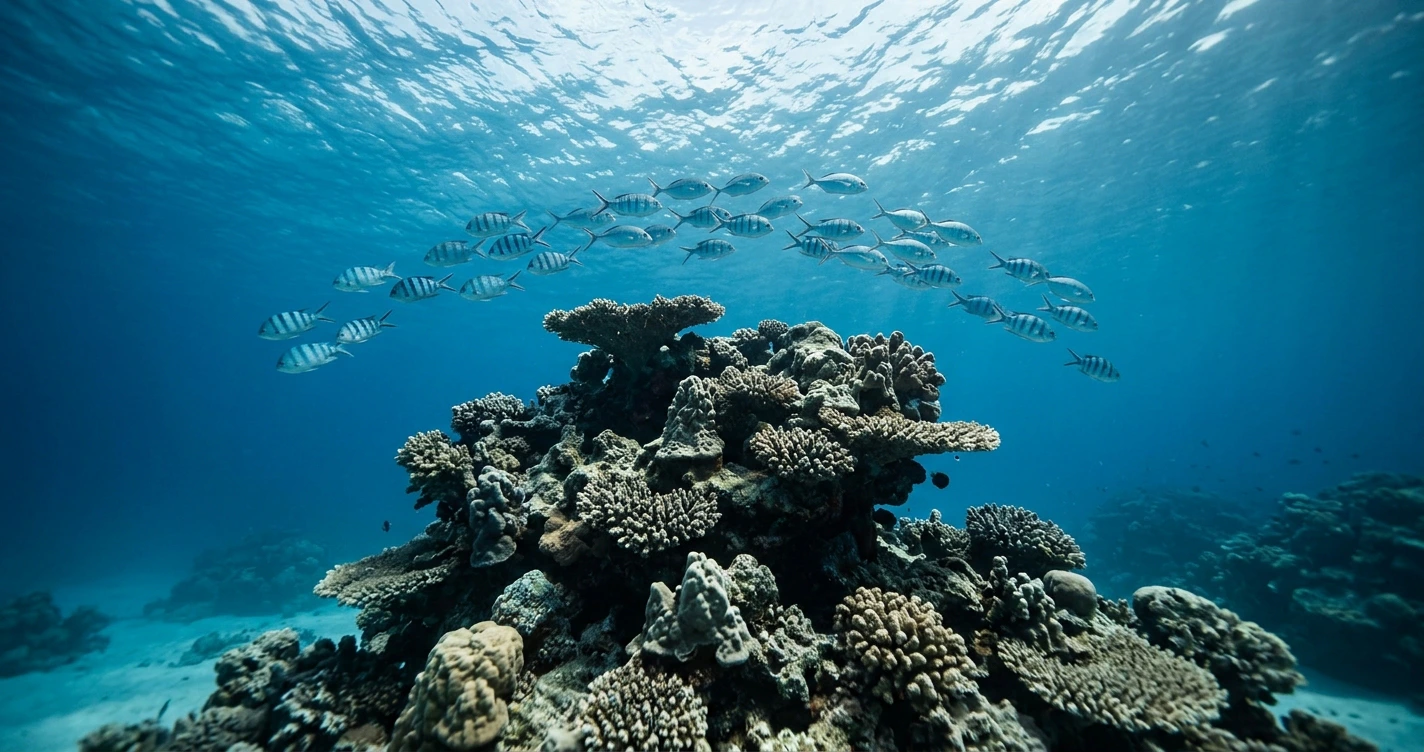
Deep dive sites in the Red Sea offer some of the most thrilling underwater environments for properly trained explorers. Venturing past the standard recreational limit of 40 meters opens up a hidden world of steep drop-offs, historic wrecks, and pelagic marine life. However, exploring these remote underwater realms requires advanced training, meticulous planning, and strict adherence to safety protocols. Therefore, technical divers must approach these depths with absolute respect and thorough preparation.
Operating out of Hurghada, Golden Star Divers provides access to challenging offshore drop-offs and deep wrecks. Understanding the physical and psychological changes at depth helps divers manage gas consumption and avoid nitrogen narcosis. Because safety is paramount, mastering your gear configuration is the first step toward successful deep water exploration. For more guidance on equipment selection, check out How to Choose the Right Diving Equipment in Hurghada before your trip.
Deep dive sites demand precise calculations regarding breathing gases, consumption rates, and decompression schedules. Air becomes toxic due to oxygen toxicity at increased pressures, meaning standard compressed air is often replaced with nitrox or trimix. Furthermore, divers must carry redundant gas supplies to ensure a safe ascent if an emergency arises. Planning your gas turnaround pressure prevents running out of air during long decompression stops.
Determining the correct gas mix depends on your target depth and maximum operating pressure. For example, helium is added to trimix blends to reduce the narcotic effects of nitrogen at depths exceeding 40 meters. Meanwhile, rich oxygen mixes are prepared for shallow decompression stops to accelerate the elimination of inert gases from body tissues. Technical instructors emphasize these mathematical formulas during Advanced Open Water Diver Course Hurghada training sessions.
Monitoring your surface air consumption rate allows you to predict exact gas usage underwater. On the other hand, stress and heavy exertion can spike your breathing rate unexpectedly. Consequently, conservation of movement is vital for extending your bottom time safely. Always factor in a robust reserve gas supply, commonly known as your rule-of-thirds allocation, for the return journey.
Buoyancy control becomes significantly harder as ambient pressure compresses your wetsuit or drysuit during descent. Maintaining neutral buoyancy prevents accidental descents into the silt and protects fragile marine ecosystems from fin strikes. In addition, precise control allows you to hover motionless during mandatory safety stops without drifting into open water currents.
Practicing fine adjustments with your buoyancy compensator and wing system keeps your body horizontal and streamlined. For instance, minor shifts in lung volume help you stabilize without constantly adding air to your inflator hose. If you want to refine these crucial underwater skills, read How to Improve Buoyancy Control for Better Diving in Hurghada for practical tips. Furthermore, mastering your trim reduces overall drag and conserves valuable breathing gas.
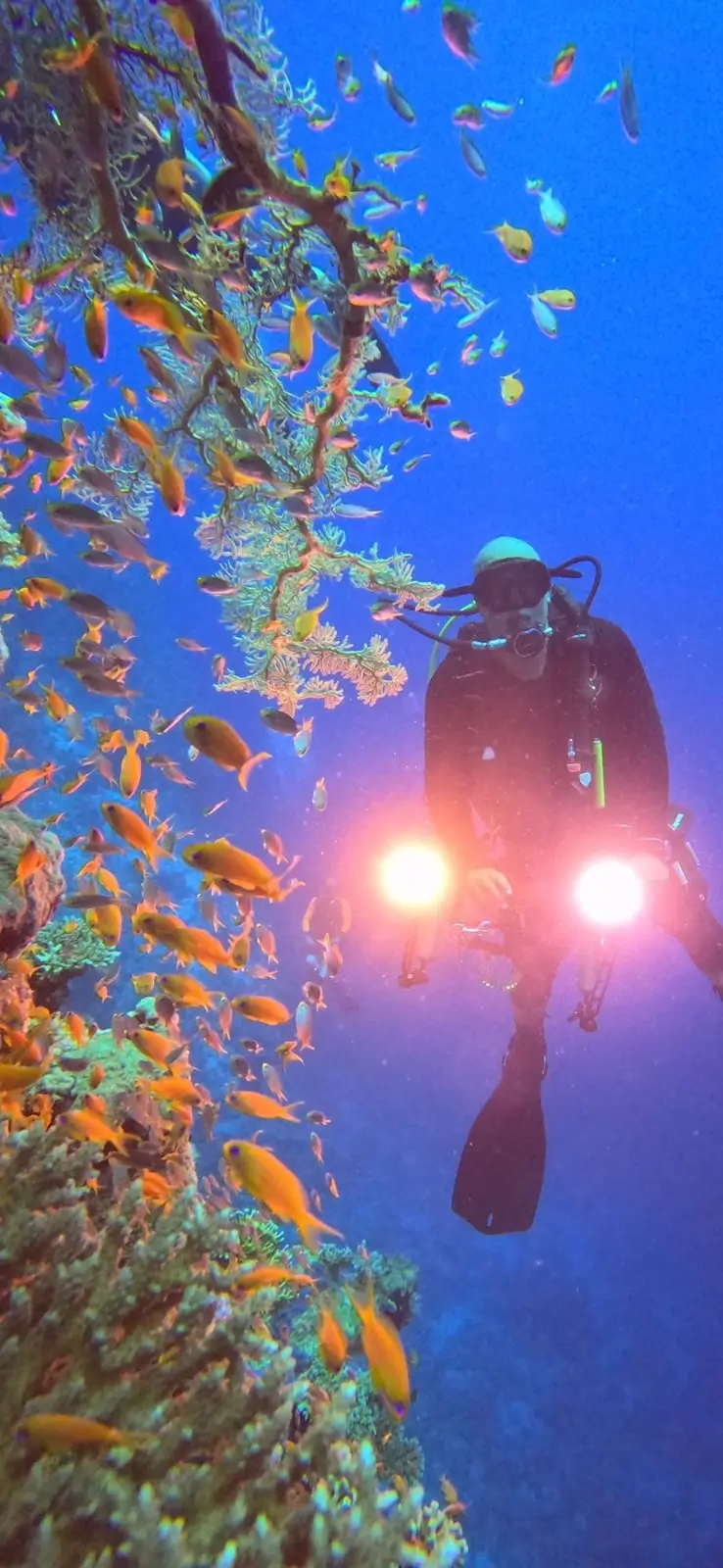
The Red Sea features dramatic vertical walls that plunge thousands of meters into the ocean abyss. These deep dive sites showcase massive gorgonian fans, black coral trees, and pelagic species cruising the blue water currents. However, diving along steep walls can easily cause spatial disorientation if you stare into the infinite blue void instead of the reef face.
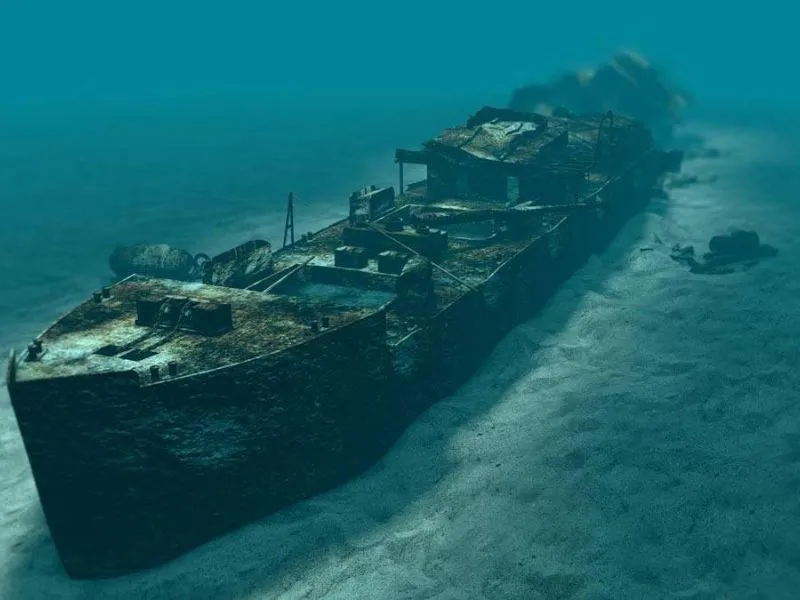
Keeping a close eye on your dive computer ensures you do not accidentally slip past your planned maximum operating depth. Moreover, currents along offshore walls can change direction rapidly, requiring strong finning techniques and situational awareness. Many visitors also enjoy exploring historic shipwrecks in the region, such as those detailed in SS Thistlegorm Wreck Diving – Exploring Egypt’s Famous Shipwreck. Always monitor your bottom timer closely because time passes deceptively fast when you are distracted by stunning marine topography.
Exceeding recreational limits means your body absorbs significant amounts of nitrogen or helium that must be off-gassed during controlled ascents. Decompression sickness is a severe risk if you ascend too quickly or skip mandatory deep stops. Therefore, using reliable dive computers with custom gradient factors is essential for tracking your cumulative tissue saturation.
Emergency planning must account for out-of-gas scenarios, lost dive buddies, and unexpected current sweeps away from the mooring line. Carrying delayed surface marker buoys allows your boat captain to track your position during long ascents. In addition, reviewing emergency protocols with your dive team before every descent builds muscle memory for crisis management. When planning an extended holiday, reviewing Hurghada Diving Holiday – Complete Guide for Divers helps you organize your schedule efficiently.
Nitrogen narcosis affects divers differently, often inducing a false sense of euphoria or mild anxiety at depths below 30 meters. Recognizing the onset of narcosis is critical for maintaining clear decision-making skills in high-pressure environments. Mental discipline allows you to pause, breathe slowly, and assess your cognitive state before continuing the dive.
If narcosis impairs your coordination or thinking, signaling your buddy and ascending a few meters quickly clears your head. Furthermore, adequate hydration and proper rest before entering the water significantly reduce your susceptibility to psychological impairment at depth. Experienced explorers treat every deep dive site with cautious awareness rather than overconfidence.
Exploring deep dive sites provides an unmatched sense of adventure for certified technical divers willing to respect the ocean’s power. Through careful gas planning, refined buoyancy control, and strict decompression discipline, you can safely uncover the hidden wonders of the Red Sea. Golden Star Divers invites you to expand your underwater horizons and experience the thrilling depths of Egypt with professional guidance and support.
Reference: Deep diving on Wikipedia.