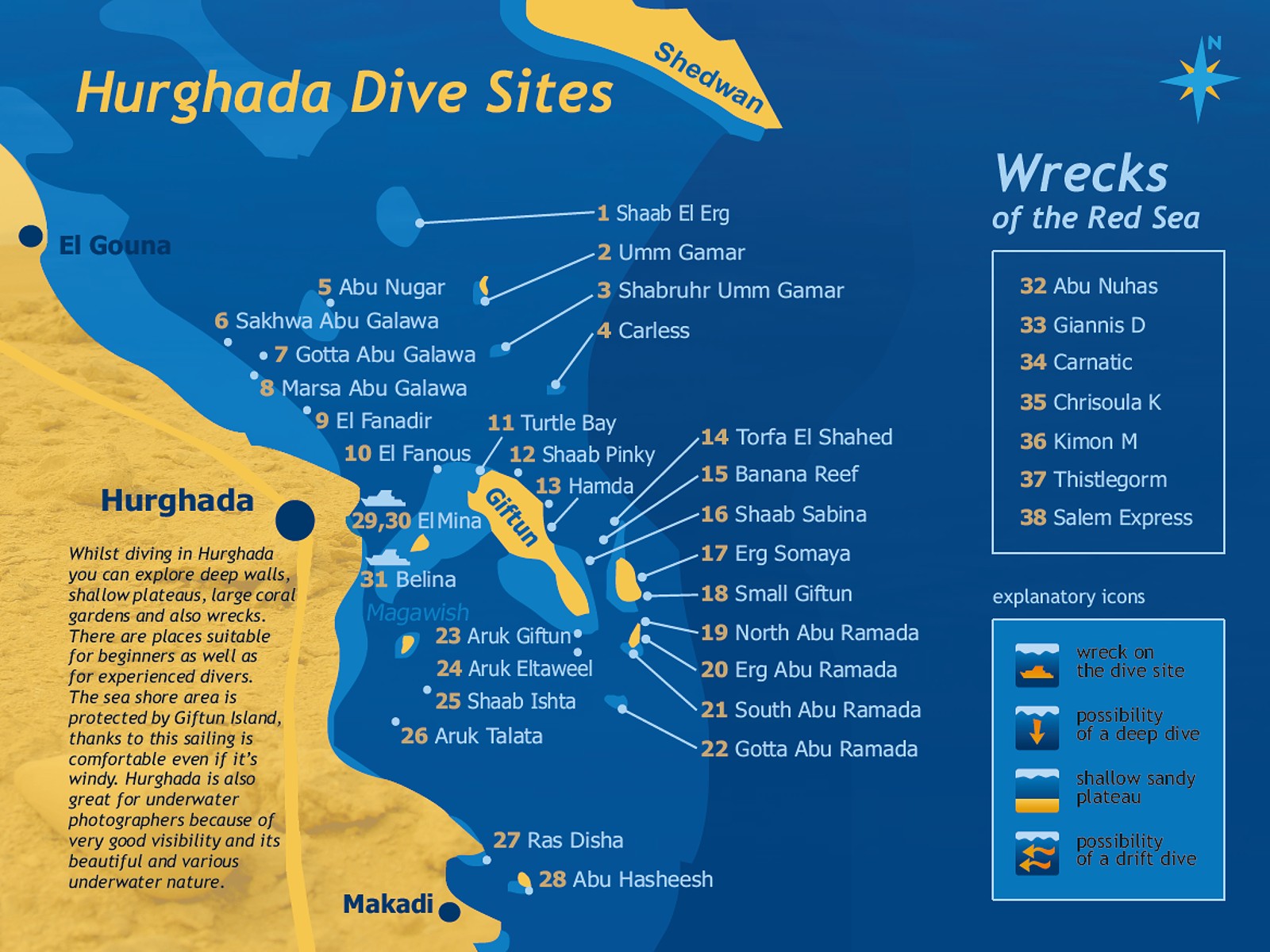

Equalization techniques are essential skills for every diver exploring the vibrant underwater ecosystems of the Red Sea. Because water pressure increases rapidly as you descend, your body needs a reliable method to balance the air spaces in your ears and sinuses. Mastering these methods ensures a comfortable and safe descent on every single dive. Whether you are taking your first steps or joining Golden Star Divers Hurghada for an advanced trip, proper ear clearing makes all the difference.
Equalization techniques protect your ears from the painful effects of increasing water pressure. As you swim downward, the weight of the water pushes against your eardrums, creating uncomfortable squeeze sensations. If you fail to manage this pressure, you risk severe injury to your inner and middle ear. Therefore, learning how to clear your ears properly allows you to descend smoothly to explore stunning sites like Abu Ramada Reef diving.
Your middle ear connects to your throat through the tiny Eustachian tubes. These tubes normally stay closed, but they open when you swallow, yawn, or use specific equalization techniques. When you submerge in the ocean, ambient pressure forces your eardrums inward. Opening your Eustachian tubes lets air from your throat enter the middle ear, restoring equilibrium. Practice this early and often during your descent to stay ahead of the pressure.
Equalization techniques come in several variations, with the Valsalva maneuver being the most widely taught method. To perform the Valsalva, you gently pinch your nose closed and blow softly through it against closed nostrils. This forces air up your Eustachian tubes and pops your ears open. However, you must avoid blowing too hard, because excessive force can damage delicate ear structures. If the Valsalva feels difficult, you can tilt your head back slightly to straighten your Eustachian tubes.
Besides the standard Valsalva, divers often rely on alternative equalization techniques when congestion occurs. The Toynbee maneuver involves pinching your nose and swallowing at the same time, which pulls air through the tubes. Another effective method is the Frenzel maneuver, where you close your nose and use the back of your tongue like a piston to compress air. Many professional instructors recommend learning these advanced options to handle tricky descents during your scuba diving in hurghada adventures.
Equalization techniques work best when you apply them proactively before you feel pain. Never wait until your ears hurt before you attempt to clear them. Start your equalization process right at the surface before you even deflate your BC. As you begin your descent, clear your ears every meter or two without exception. If you experience any resistance, stop your descent immediately, ascend a meter or two, and try again gently.
Environmental factors and health conditions can heavily influence how easily you execute equalization techniques. For instance, mild allergies or a residual cold can inflame your nasal passages and block your Eustachian tubes completely. Never force your ears to clear if you feel congested, because doing so invites barotrauma. Instead, skip the dive and let your body recover fully. When your sinuses are clear, you can fully enjoy spectacular excursions such as a Giftun Island diving trip without any discomfort.
Mastering proper ear clearing methods transforms stressful descents into relaxing underwater journeys. By starting early, using gentle pressure, and knowing alternative maneuvers, you protect your hearing health. Plan your next underwater adventure with confidence and enjoy the breathtaking marine life waiting beneath the waves. Equalization techniques offers several practical options worth considering here.
Reference: Middle ear equalization on Wikipedia.