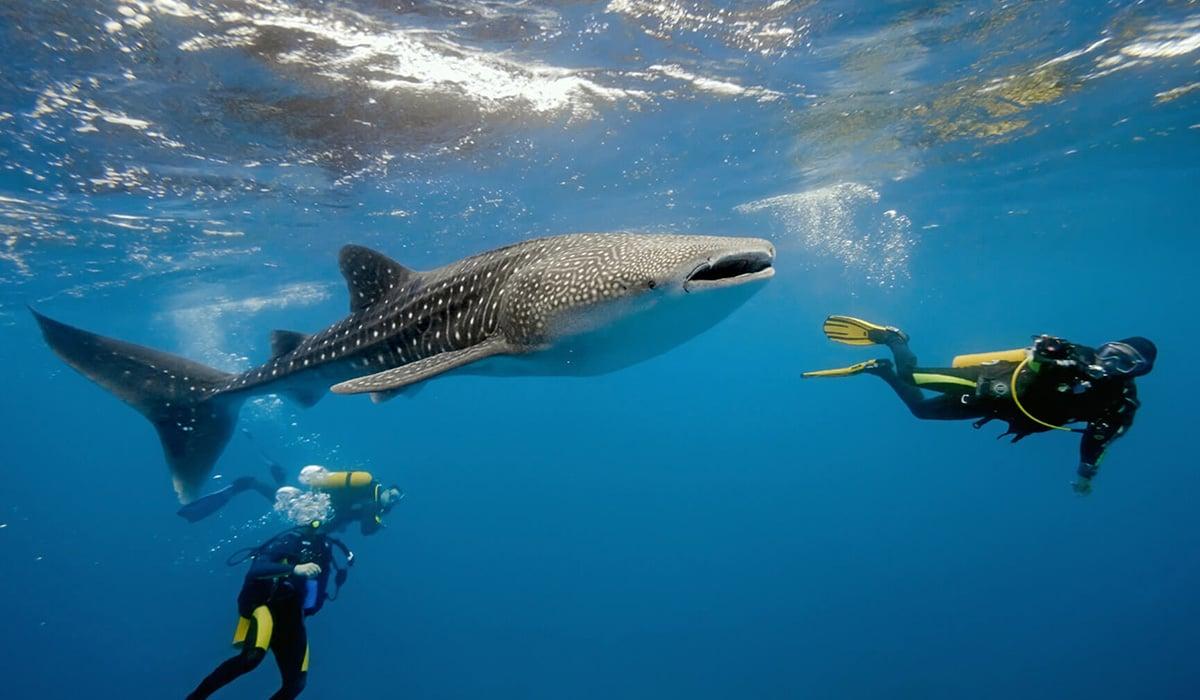
A whale shark Red Sea encounter can be one of the most unforgettable experiences for a diver. Despite its enormous size, the whale shark is a gentle filter feeder that moves peacefully through warm tropical waters.
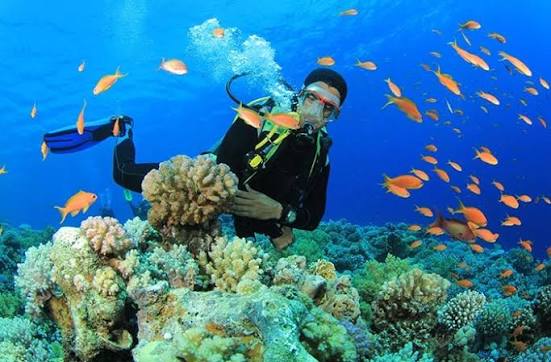
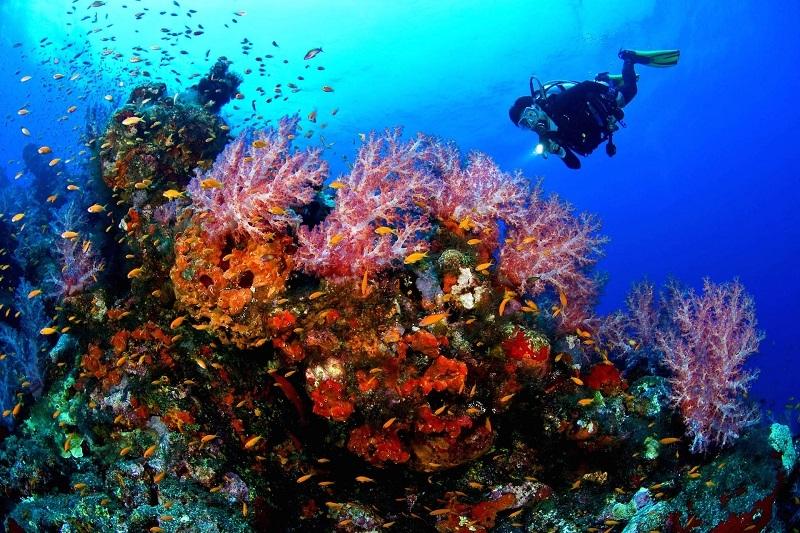
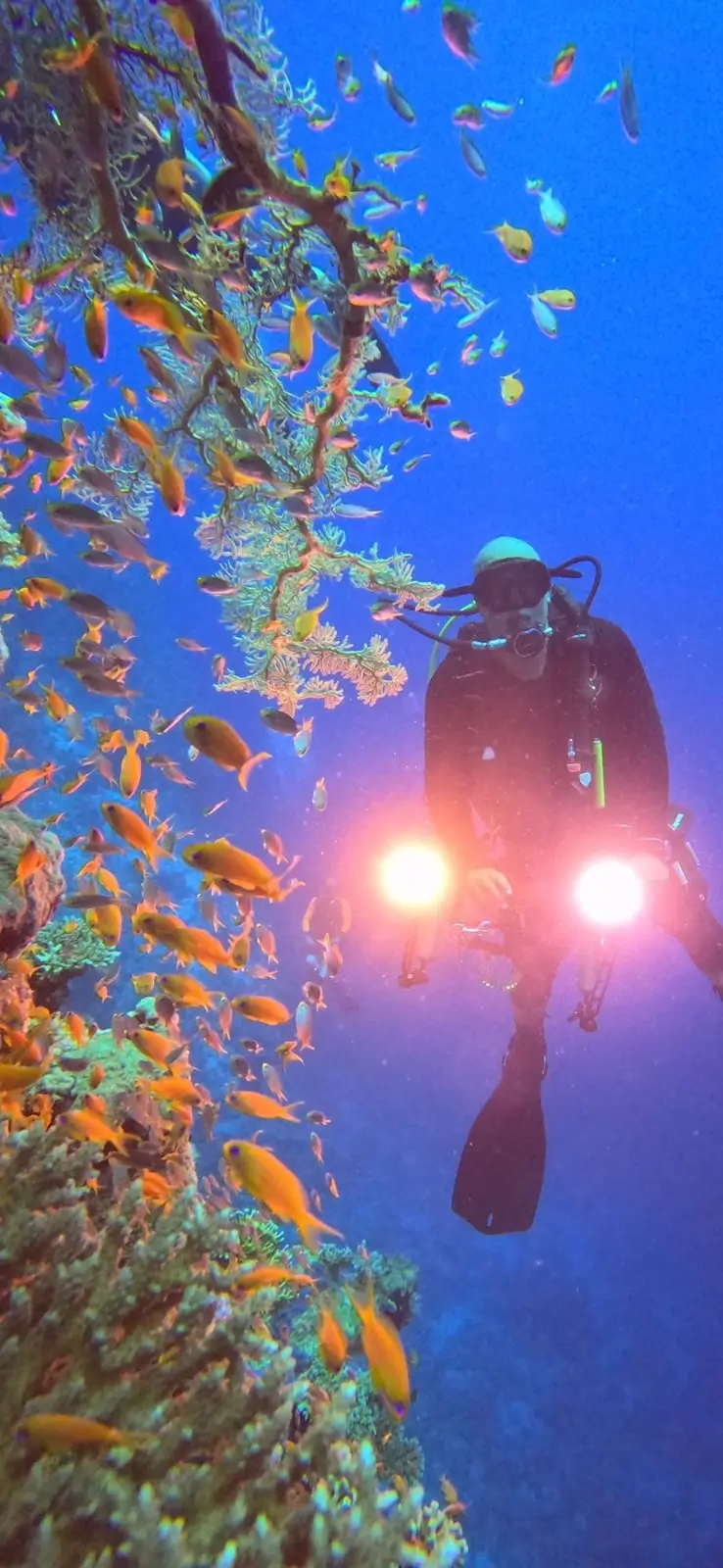
The Red Sea is known for its rich marine life, colorful coral reefs, and large pelagic species. Although whale shark sightings are never guaranteed, fortunate divers may encounter these magnificent animals during certain trips and under suitable conditions.
Seeing a whale shark underwater can completely change the atmosphere of a dive. Its enormous body may appear suddenly from the blue, creating a memorable moment that stays with a diver long after returning to the boat.
The whale shark is the largest fish species in the world. It is not a whale or a marine mammal. Instead, it is a fish that belongs to the shark family.
Whale sharks have several distinctive features, including:
Their unique markings also make individual animals easier to recognize.
Size is one reason whale sharks attract divers. However, their behavior makes them even more fascinating.
Unlike predatory sharks that actively hunt large prey, whale sharks feed mainly by filtering tiny organisms and other small food particles from the water.
Their peaceful feeding behavior means divers may sometimes observe them without the dramatic movements associated with predator encounters.
Still, every animal deserves space and respect.
Whale shark sightings in the Red Sea can occur in different areas. Their movements depend on food availability, water conditions, and natural migration patterns.
Because whale sharks are wild animals, there is no dive site where a sighting can be guaranteed.
Divers should therefore avoid choosing a trip solely because someone promises a whale shark encounter.
Instead, enjoy the entire marine environment and consider a sighting an exceptional bonus.
Whale sharks often move through open water. This makes encounters very different from reef dives.
A reef fish may remain close to coral, while a whale shark can travel across a much larger area.
When a large animal appears in the blue, divers may have only a short period to observe it.
This is why good situational awareness matters.
Whale sharks are filter feeders. They can take large amounts of water into their mouths and filter out small organisms and food particles.
Their diet can include plankton and other tiny marine organisms.
During feeding, a whale shark may move slowly through areas where food is concentrated.
For divers, this behavior can create an extraordinary opportunity to observe the animal in its natural environment.
If you encounter a whale shark, remain calm and follow your dive guide’s instructions.
Try to:
The goal is observation, not interaction.
One of the most important rules during a whale shark Red Sea encounter is simple: never chase the animal.
Whale sharks are powerful swimmers. Trying to follow one closely can cause unnecessary stress and may also separate divers from their group.
Instead, remain in position and allow the whale shark to move naturally.
If it swims away, let it go.
A short natural encounter is far better than disturbing the animal for a longer photograph or video.
Whale sharks are spectacular subjects for underwater photography. Their size makes wide-angle images particularly impressive.
However, photographers should never sacrifice responsible diving for a better photograph.
Before taking pictures:
A good photograph should capture the encounter without changing the animal’s natural behavior.
Buoyancy becomes especially important when diving with large marine animals.
A diver who suddenly rises or sinks can move unpredictably toward the animal. Good buoyancy allows you to remain stable and react calmly.
It also helps protect the surrounding environment if the encounter takes place near a reef.
For this reason, divers should practice their buoyancy skills before joining trips that may involve large marine animals.
It is important to understand that marine wildlife follows nature, not a schedule.
Even if whale sharks have recently appeared in an area, they may not be there when you visit.
Weather, currents, food availability, water conditions, and natural movement can all affect sightings.
Therefore, responsible dive operators should never promise a guaranteed encounter with a wild whale shark.
When planning a trip, choose a professional diving operation that puts marine life protection first.
A responsible operator should explain:
The guide should also encourage divers to observe rather than chase animals.
This approach creates a better experience for both divers and marine life.
Whale sharks are part of the larger marine ecosystem of the Red Sea. Their presence highlights the biological richness of these waters.
The Red Sea contains many different marine environments, including:
Each environment supports different species.
Protecting these habitats therefore helps maintain the diversity that makes Red Sea diving so special.
Every diver can contribute to marine conservation.
During your trip:
These simple habits reduce disturbance and help protect the underwater environment.
A whale shark encounter is not memorable simply because of the animal’s enormous size. It is also the feeling of sharing the water with one of the ocean’s most remarkable creatures.
The animal may appear quietly in the distance. Then, as it approaches, its enormous body becomes clearer.
For a few moments, the busy world above the surface seems very far away.
That sense of connection with the natural world is one of the reasons divers continue exploring the Red Sea.
A whale shark Red Sea encounter is a rare and unforgettable opportunity for divers who are fortunate enough to experience one. These enormous filter-feeding sharks demonstrate just how diverse the Red Sea can be.
However, the best encounter is always a responsible one. Give the animal space, avoid chasing it, follow your guide’s instructions, and allow the whale shark to control the interaction.
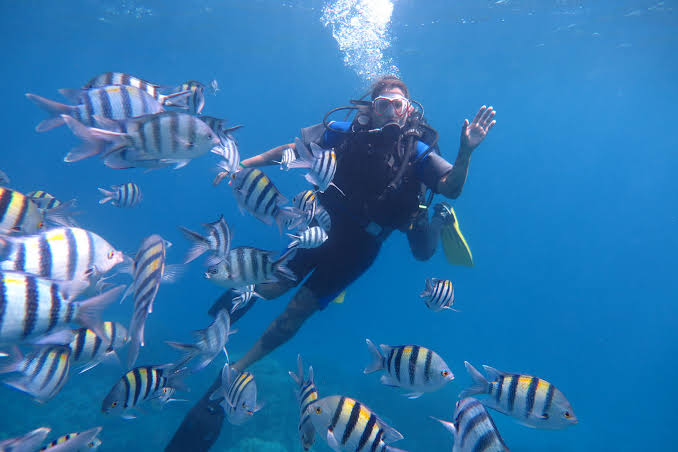
You may not see one on every dive. Yet the reefs, fish, coral gardens, and other marine life of the Red Sea make every underwater journey worthwhile.
When a whale shark does appear, simply slow down, observe, and enjoy the moment.