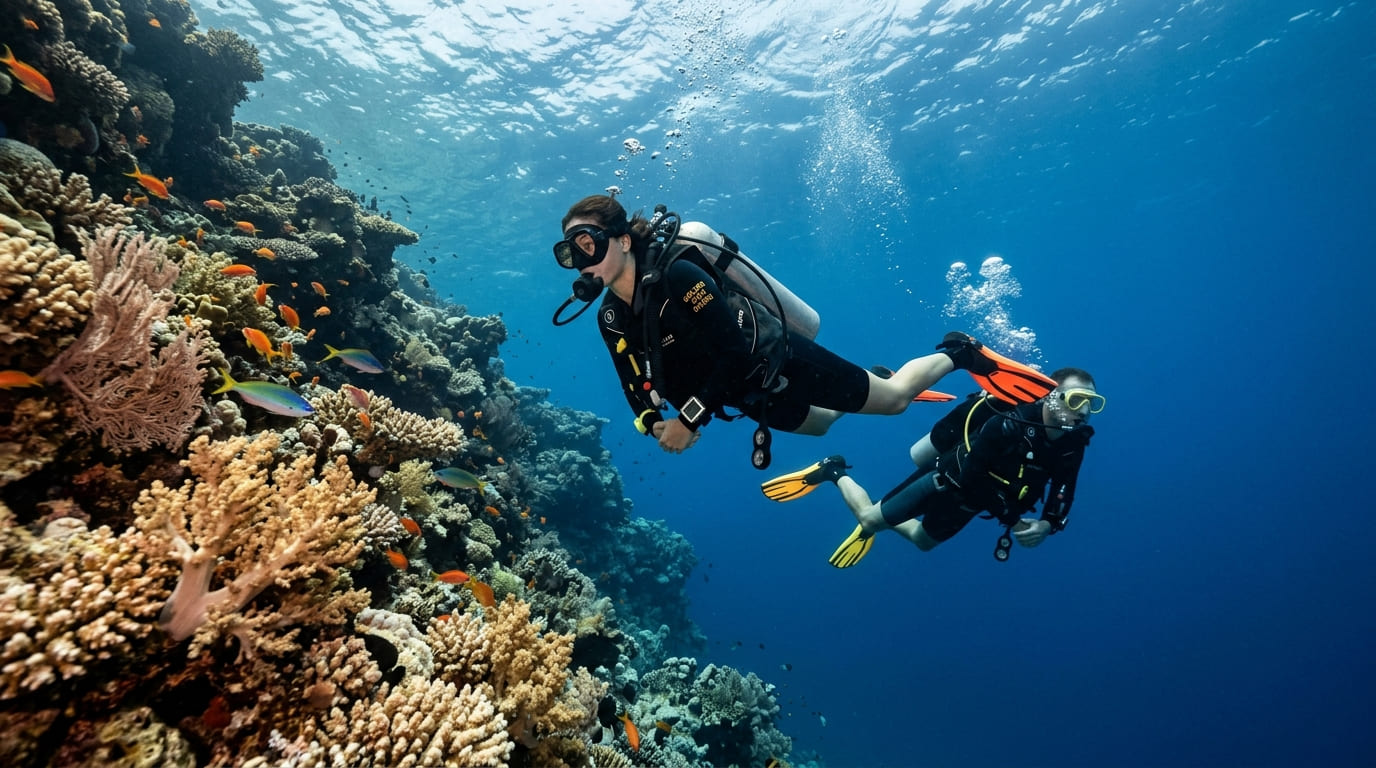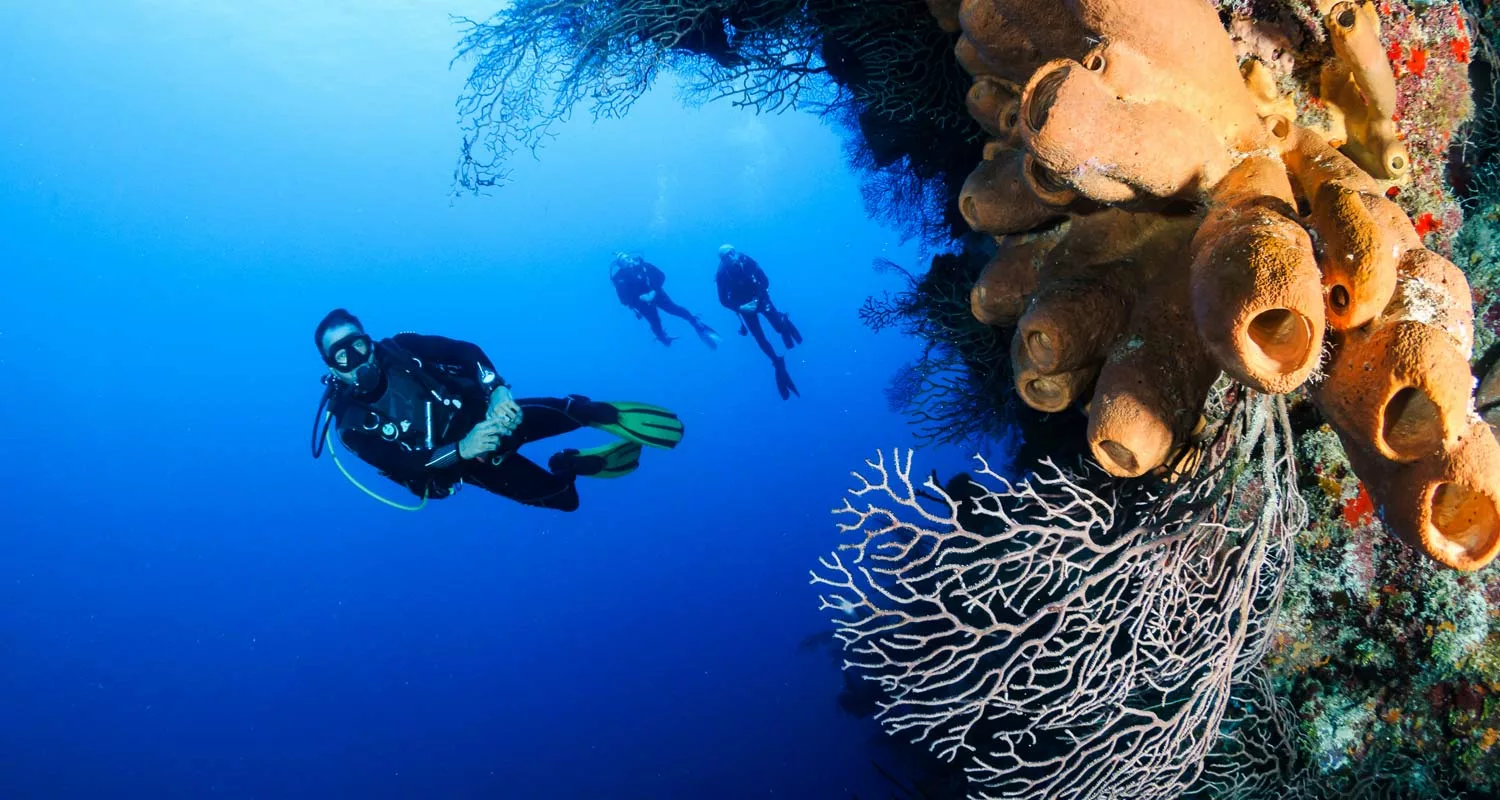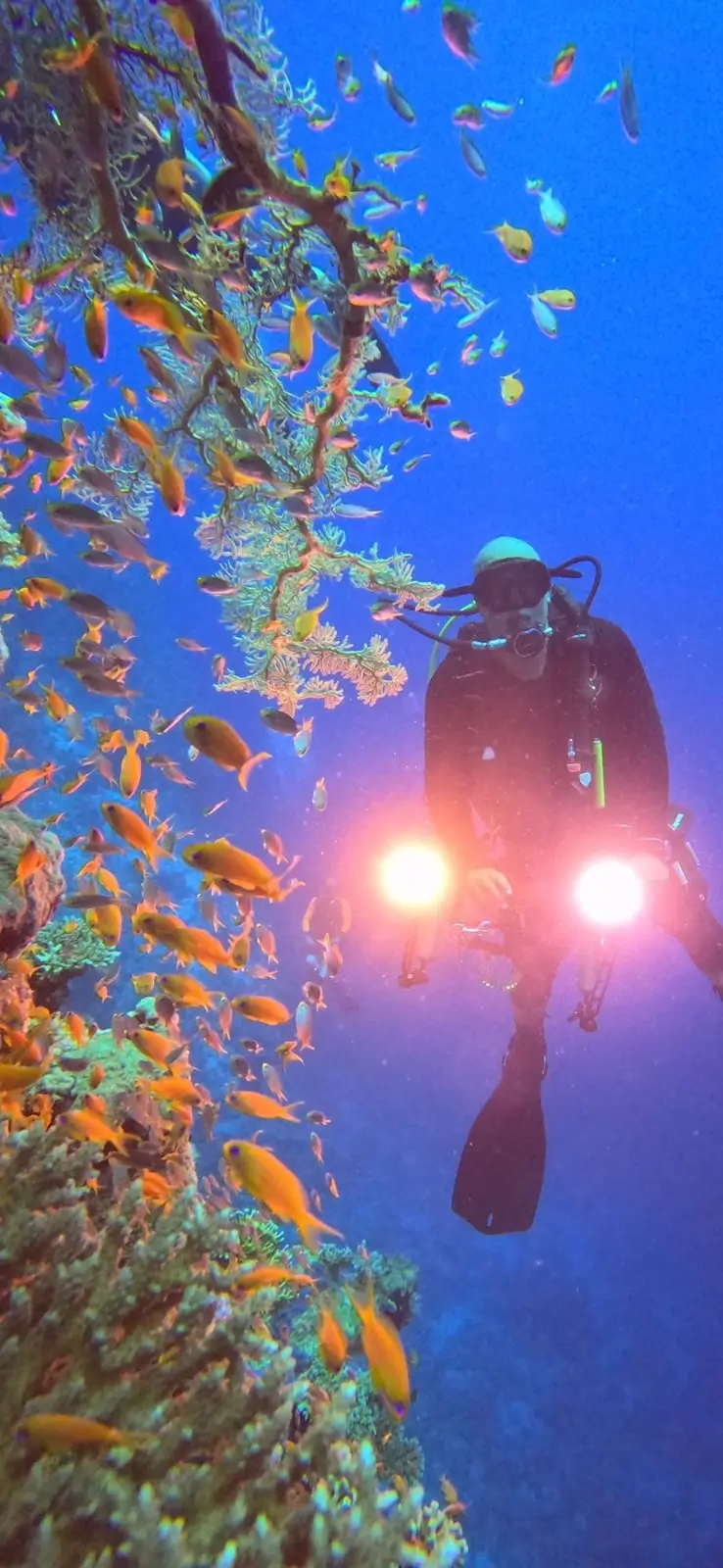
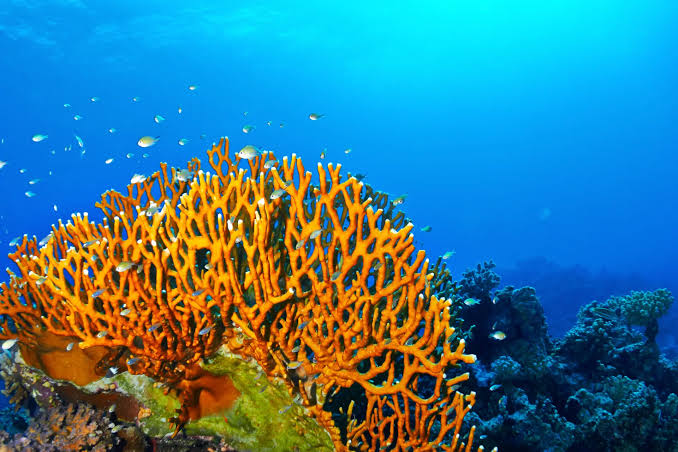
Macro photography in Hurghada opens up a hidden world of tiny marine life along vibrant Red Sea coral reefs. Photographers often focus on large pelagics, yet the real magic frequently hides in plain sight among the coral polyps. Because the region boasts crystal-clear waters and rich biodiversity, tiny reef residents thrive in shallow depths. Therefore, small-scale imaging offers incredible opportunities for underwater creators of all skill levels.
Many divers overlook miniature subjects because they swim past them in search of sharks or large rays. However, slowing down reveals an intricate ecosystem full of fascinating invertebrates and juvenile fish. When you practice macro photography in Hurghada, you begin to notice vibrant nudibranchs, tiny gobies, and delicate pipefish. Each dive site becomes a treasure hunt for miniature wonders.
Mastering this craft requires patience and a keen eye for detail. On scuba diving in Hurghada excursions, your boat captain and dive guides will often share local knowledge about where rare critters hide. In addition, practicing your buoyancy control diving skills ensures you never touch or damage the fragile marine environment while framing your shot.
Choosing the right setup makes a massive difference when you attempt macro photography in Hurghada. Compact camera users often add wet-lens diopters to increase magnification. Meanwhile, DSLR and mirrorless shooters rely on dedicated 60mm or 100mm macro lenses to capture sharp details. Furthermore, dual strobes or video lights are necessary to restore colors lost at depth and freeze any movement.
Proper lighting angles prevent backscatter from ruining your close-up images. By positioning your strobes out to the sides rather than pointing straight forward, you illuminate only the subject. Consequently, the background remains dark, making your tiny subject pop with vibrant contrast.
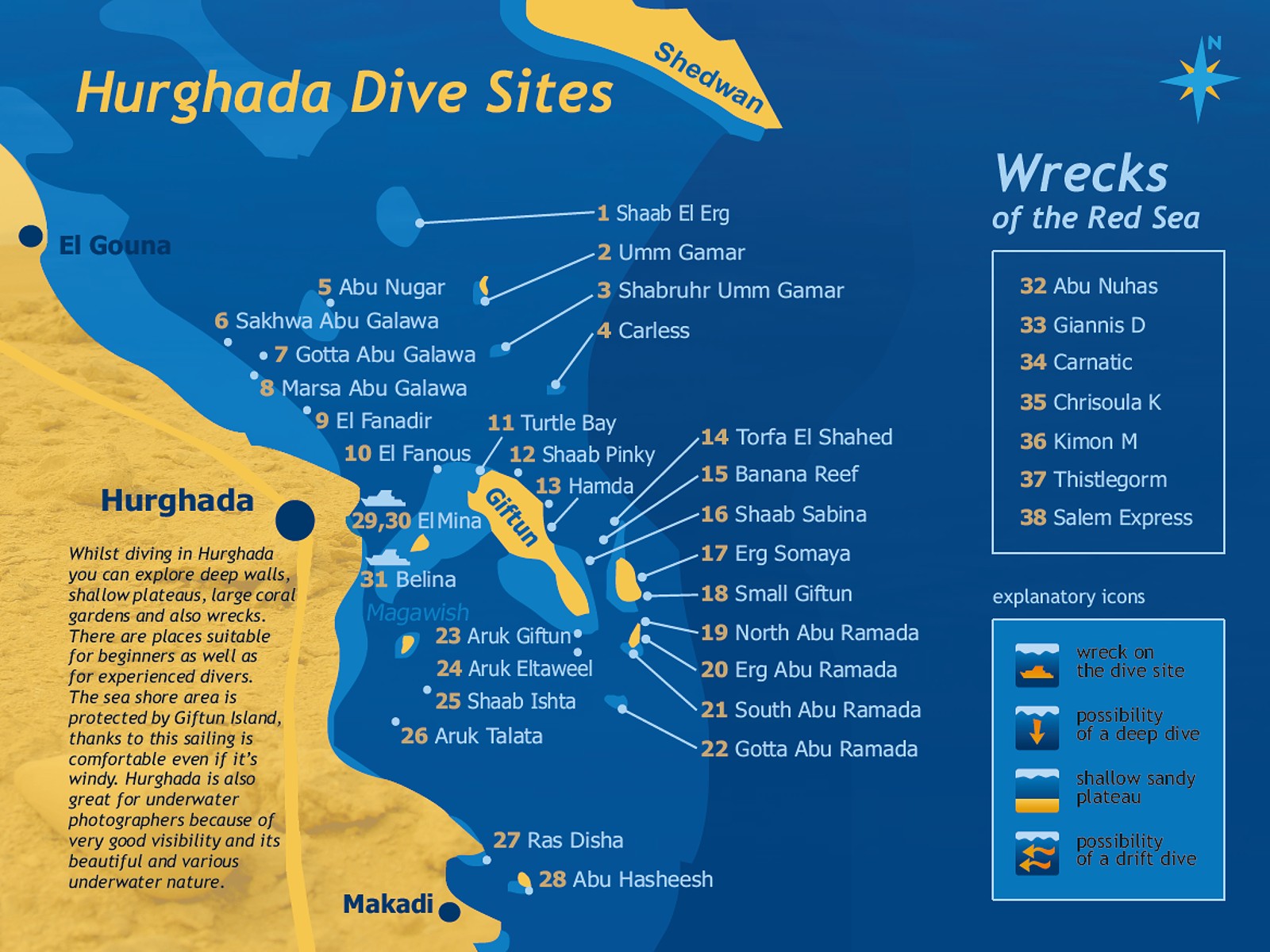
Local dive sites offer diverse underwater topography that supports countless small species. For example, sheltered lagoons and shallow coral gardens provide calm conditions for detailed shooting. When you plan your next Hurghada diving holiday, ask your operator to visit sites with varied topography. Calm sandy bottoms often host ghost pipefish and Randall’s shrimp.
Abu Ramada Reef is famous for its diverse marine populations and excellent visibility. On these protected pinnacles, you can easily spend an entire hour exploring a single coral head. Similarly, smaller wrecks in the area attract encrusting growth and microscopic organisms that feed on passing currents.
Nudibranchs are the undisputed royalty of macro photography in Hurghada due to their dazzling colors and intricate patterns. These sea slugs crawl slowly across sponges and soft corals, providing ample time to compose your shot. In addition, tiny cleaner shrimp and porcelain crabs inhabit anemones and stony corals across the area.
Finding these creatures takes practice because many of them use camouflage to evade predators. Look closely at whip corals for tiny gobies, or inspect anemone tentacles for squat lobsters. Once you train your eyes to scan for unusual textures, your success rate increases dramatically.
Achieving sharp focus on millimeter-sized subjects demands precise camera control. Manual focus is rarely practical in currents, so continuous autofocus tracking works best for moving subjects. Because depth of field is extremely shallow at high magnifications, using a narrow aperture helps keep the entire critter in focus.
Composition rules still apply even when working on a microscopic scale. Placing the subject’s eye on the upper third line creates an engaging, natural feel. Furthermore, shooting at eye level with your subject produces a much more intimate portrait than shooting straight down from above.
Water movement can easily blur a high-magnification photograph. Therefore, experienced photographers use pointers or stabilization techniques to steady themselves against dead coral or sandy patches. Because diving in Hurghada often involves gentle currents, timing your shots between surges is crucial.
Relaxation directly improves your camera stability and conserves your breathing gas. When you maintain a calm breathing rhythm, your body stops bobbing up and down. As a result, your housing stays locked firmly on the tiny subject.
Protecting the marine ecosystem always takes priority over getting a unique photograph. Never move corals, break sponges, or harass animals to force a better pose. Responsible practitioners of macro photography in Hurghada respect marine life boundaries and keep their fins clear of the reef.
Over-lighting sensitive creatures with constant focus lights can stress them or expose them to predators. Therefore, use your lights sparingly and turn them off between framing attempts. By practicing low-impact diving, you preserve these delicate underwater habitats for future visitors.
Planning your photography trip becomes effortless when you partner with experienced local professionals. A knowledgeable crew understands local weather patterns and chooses the best sites for calm, clear water. Whether you want to improve your portfolio or explore new reefs, professional guidance ensures a safe and productive journey.
Golden Star Divers provides expert support for every level of underwater explorer in the Red Sea. Their team helps you reach the finest local reefs while maintaining strict safety standards. Book your next trip today and discover the tiny wonders waiting beneath the surface.
Macro photography in Hurghada transforms ordinary scuba trips into extraordinary explorations of tiny underwater details. By combining proper gear, steady techniques, and ethical practices, you capture unforgettable images of Red Sea biodiversity. Dive in and start exploring the miniature universe hidden right beneath the waves.
Reference: Underwater photography on Wikipedia.